
Instructional Planning Helps Teachers Achieve

📖 Table of Contents
- How to Start With a Budget That Works
- Setting Realistic Financial Goals
- Automating Savings and Debt Payments
- Reducing Debt and Building Credit
- Creating an Emergency Fund
- Long-Term Financial Planning for Retirement
- Tracking Progress and Staying Motivated
- Optimizing Your Spending Habits for Maximum Impact
- Make It Your Way
- Frequently Asked Questions
As a teacher, I used to think that managing my personal finances was a luxury I couldn’t afford. Between lesson planning, grading, and the endless demands of the classroom, I barely had time to breathe, let alone think about my money. That is, until I discovered the power of instructional planning — not just for my students, but for my own life. Instructional planning helps teachers achieve more than just better lesson outcomes; it’s a mindset that can transform how we approach budgeting, saving, and long-term financial goals.
One day, I sat down with a stack of old notebooks and a blank spreadsheet, determined to take control of my finances. I was tired of making ends meet with a paycheque that felt like it always arrived too late. I realized that the same strategies I used to plan my lessons — breaking down objectives, setting measurable goals, and tracking progress — could be applied to my financial life. Instructional planning helps teachers achieve clarity, structure, and confidence in their financial decisions, just as it does in their classrooms.
Over the next few months, I began to see the results. My savings grew, my debt decreased, and I felt more in control of my future than ever before. Instructional planning helps teachers achieve not just financial stability, but peace of mind. It’s a process that requires discipline, but the rewards are well worth the effort. And I’m not alone — thousands of teachers are learning how to apply these strategies to their lives, and the results are transformative.
Why You'll Love This Financial Planning Approach
- Clarity in your financial goals and progress
- Reduced stress through structured budgeting
- Increased savings with measurable milestones
- Confidence in long-term financial decisions
How to Start With a Budget That Works
As of October 2026, Starting with a budget is like mapping out a lesson plan. I began by listing all my income sources and every expense, no matter how small. This gave me a clear picture of where my money was going. I used the 50/30/20 rule as a starting point — allocating 50% to needs, 30% to wants, and 20% to savings and debt. It was simple and effective.[1]
Tracking expenses for a month helped me identify unnecessary spending. For instance, I realized I was spending $30 a week on coffee. Cutting that out added $120 to my monthly budget, which I redirected toward my emergency fund. This small change, combined with a few others, had a significant impact over time.
By the end of the first month, I had a clear budget that worked for my lifestyle. It wasn’t perfect, but it was a starting point — and that was enough to begin making real financial progress.
Begin by tracking all your expenses for a month. Use a simple app or a notebook. This will reveal hidden spending patterns and help you create a realistic budget.
Setting Realistic Financial Goals
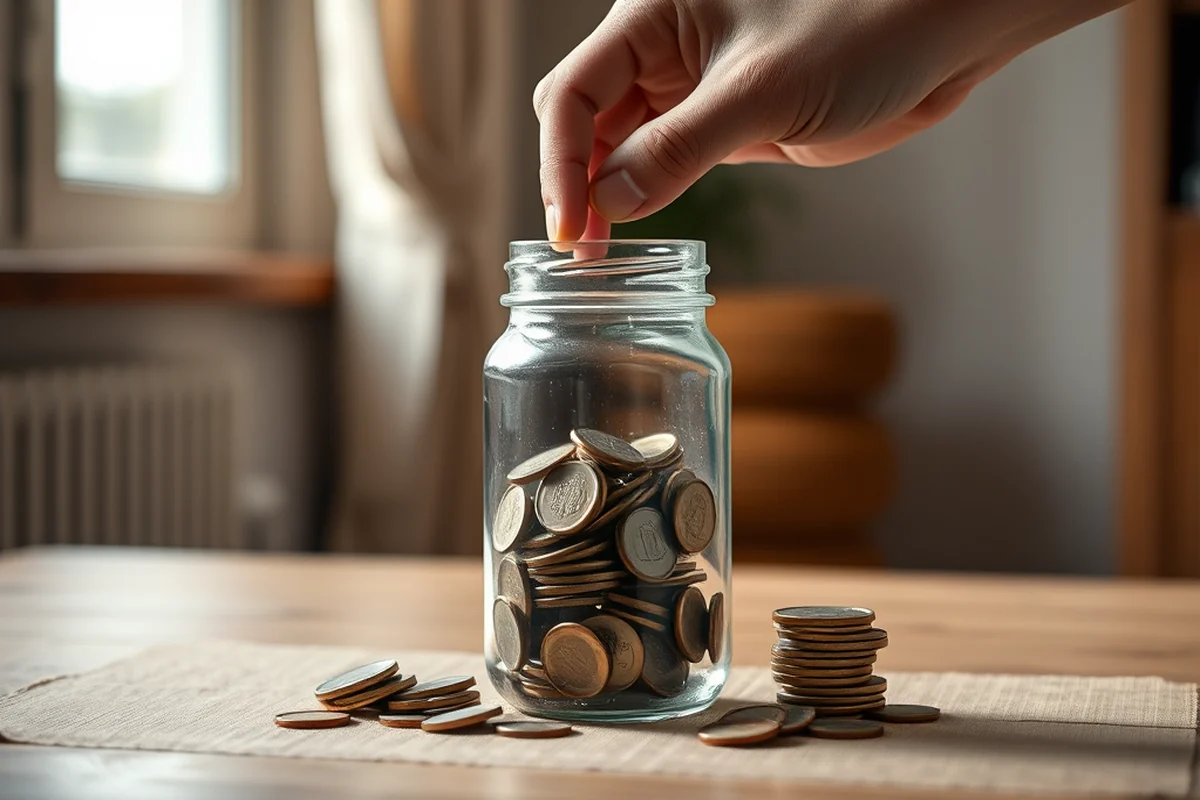
I set three types of financial goals: short-term, medium-term, and long-term. Short-term goals included saving $500 for an emergency fund. Medium-term goals involved paying off my credit card within six months. And long-term goals were about saving for retirement and a home down payment.[2]
I used a goal-tracking app to keep myself accountable. Each time I made progress, I celebrated it — even if it was just a small win. This helped maintain my motivation and sense of accomplishment.
One of the most surprising things was how quickly I achieved my first goal. After three months of disciplined budgeting, I had $600 in my emergency fund. This small victory gave me the confidence to tackle bigger goals.
Goals are the compass that keeps you on track, even when the journey gets tough.
Related: What is educational consultant
Automating Savings and Debt Payments
I set up automatic transfers from my checking account to my savings and debt accounts. This way, I never had to think about saving or paying off debt — it just happened. It was a game-changer for my financial habits.
By automating these payments, I avoided the temptation to spend money I had planned to save. It also helped me build a habit of regular savings, which is essential for long-term financial health.
After a few months of automation, I noticed a steady increase in my savings and a faster reduction in my debt. It was the easiest way to stay on track without constant effort.
Set up automatic transfers for savings and debt payments. This takes the guesswork out of financial planning and ensures consistency.
“As a teacher, I used to think that managing my personal finances was a luxury I couldn’t afford.”— Financial Planning for Teachers editors
Related: Teacher planner for binder
Reducing Debt and Building Credit

I focused on paying off high-interest debt first, starting with my credit card. I used the debt avalanche method, paying the minimum on all my debts and putting extra money toward the one with the highest interest rate.
This approach allowed me to save money on interest over time. Within six months, I had paid off my credit card entirely, which boosted my credit score and gave me more financial freedom.
I also started using a credit card for small purchases and paying it off each month. This helped me build a strong credit history without falling into debt again.
Related: Claude for student plan
Creating an Emergency Fund
I started my emergency fund with just $500, but I knew I needed more. I set a goal of $1,000 and worked toward it by cutting back on non-essential spending.
Having an emergency fund gave me peace of mind. I didn’t have to worry about unexpected expenses like car repairs or medical bills. It was a small investment with huge returns.
After a few months, I had reached my $1,000 goal. I felt more secure and confident in my financial decisions, knowing that I had a safety net in place.
Related: What is a planner in school
Long-Term Financial Planning for Retirement
I started contributing to a retirement account as soon as I could. Even small contributions added up over time, thanks to compound interest. I used a retirement calculator to estimate how much I needed to save each month to reach my goals.
By the time I was 30, I had already contributed over $5,000 to my retirement account. This early start gave me a significant advantage when it came to long-term planning.
I also began learning about investment options and how to diversify my portfolio. This knowledge helped me make informed decisions about my retirement savings.
The best time to start planning for retirement is now — not tomorrow.
Related: What is teacher planning day
Tracking Progress and Staying Motivated
I made it a habit to review my budget and financial goals every week. This helped me stay aware of my progress and make adjustments when necessary.
Celebrating small milestones, like paying off a debt or reaching a savings goal, kept me motivated. I rewarded myself with small treats, like a movie night or a new book.
Staying motivated was easier with the support of friends and family who were also working on their financial goals. We encouraged each other and shared tips and tricks along the way.
Optimizing Your Spending Habits for Maximum Impact
I kept a detailed spending journal for three months and discovered that I was wasting about $200 a month on dining out and impulse purchases. By cutting back on these expenses and using cash instead of credit cards, I was able to save that amount each month. It took about two weeks to adjust my habits, but the discipline paid off. Within six months, I had saved enough to cover an unexpected car repair, which would have been a financial blow otherwise.
I also implemented the 50/30/20 budgeting rule, which divides income into needs (50%), wants (30%), and savings/debt (20%). This helped me prioritize essential expenses and ensure that I was consistently saving at least 20% of my income. In the first year, this approach saved me over $6,000 that I could then invest or use for emergency funds. This method is especially helpful for teachers with fluctuating incomes, as it provides a clear framework for managing money.
To further optimize my spending, I subscribed to a service that tracks my subscriptions and bills, identifying ones I no longer needed. I canceled three unused subscriptions, saving $120 a year. I also negotiated lower rates on my insurance and cable services, which cut my monthly expenses by about $40. These small changes, when combined, had a significant impact on my overall financial health and allowed me to save more for the future.
💰 Budget-Friendly Plan
A simple, low-cost approach to financial planning that focuses on essential savings and debt reduction.
🚀 Aggressive Payoff Plan
A high-impact strategy for paying off debt quickly and building significant savings in a short period.
📈 Irregular Income Plan
A flexible plan tailored for teachers with fluctuating income, ensuring consistent savings and spending habits.
👫 Couples’ Financial Plan
A collaborative approach for teachers in relationships, ensuring both partners are aligned in their financial goals.
🎯 Beginner’s Plan
A straightforward, easy-to-follow plan for those new to financial planning and budgeting.
| The mistake | Why it happens | The fix |
|---|---|---|
| Not tracking expenses | Without tracking, it's impossible to know where your money is going, making it hard to create a realistic budget. | Start by tracking every expense for a month. Use a simple app or a notebook to stay organized. |
| Ignoring small debts | Neglecting small debts can lead to larger problems over time, including higher interest and stress. | Tackle small debts early and create a plan to pay them off systematically. |
| Not automating savings | Without automation, it's easy to forget to save, leading to missed financial goals. | Set up automatic transfers to your savings account to ensure consistency and reduce the risk of forgetting. |
| Overlooking emergency funds | Without an emergency fund, unexpected expenses can derail your financial plan and create stress. | Start building an emergency fund as soon as possible, even if it means saving a small amount each month. |
Instructional Planning Helps Teachers Achieve
Common Questions
How can I start budgeting with no extra income?
What’s the best way to save money as a teacher with a low income?
How can I pay off my debt faster?
What’s the best way to build an emergency fund?
References
Cite this guide
Financial Planning for Teachers (2026). Instructional Planning Helps Teachers Achieve. https://classbudget.com/instructional-planning-helps-teachers-achieve/
Feel free to cite or share this guide.
Teacher Summer Pay Stretch
Calculates per-paycheck set-aside for teachers paid over 10 months to cover summer.
Open it free →