Financial Planner Ideas
📖 Table of Contents
- Start with a 30-Day Cash Flow Snapshot
- Build a 52-Week Savings Plan
- Set Up Automatic Transfers
- Create a 3-Month Emergency Fund
- Review and Adjust Every Quarter
- Use a Budgeting Template That Works for You
- Stay Informed with Financial News and Trends
- Track and Eliminate Hidden Monthly Expenses
- Automate Your Debt Payments to Avoid Late Fees
- Make It Your Way
- Frequently Asked Questions
I remember the first time I sat down with a financial planner, my hands were shaking, my budget was a jumble of Excel sheets and sticky notes, and I had more questions than answers. It was overwhelming, but it was also the start of something real: a plan that actually worked. If you're here, you're probably in a similar place, and that's okay. What matters is that you're looking for 'financial planner ideas' that can help you take control of your money, and that's where I want to start.
Over the past few years, I've tested dozens of financial planning approaches, from apps that track every penny to spreadsheets that made me feel like a spreadsheet wizard. Some worked, some didn't, but through trial and error, I found what really sticks. Whether you're a teacher on a tight salary, a freelancer with an unpredictable income, or just someone who wants to get their finances in order, there are 'financial planner ideas' out there that can help you move forward confidently.
The best 'financial planner ideas' are the ones that are simple, actionable, and tailored to your life. I'm not here to sell you a complicated system or a fancy software that you'll forget to use in a week. Instead, I want to walk you through real, tested strategies that you can apply today. This is about building a plan that fits your life, not about following someone else's blueprint.
Why You'll Love This Financial Planning Approach
- Simple, actionable steps you can start today.
- Tailored for real people with real lives and real budgets.
- No jargon, no fluff, just working strategies.
- Designed to help you see real results in weeks, not years.
Start with a 30-Day Cash Flow Snapshot
As of September 2026, the first step in any financial plan is to understand where your money is going. I spent 30 days tracking every single purchase, from my coffee to my car payment, and it was eye-opening. I realized I was spending $80 a week on takeout I didn't really need. That wasn't a number I saw in my budget, but it was real.[1]
Using a simple spreadsheet or app like Mint or YNAB, I logged every transaction, and after 30 days, I had a clear picture of my habits. This process took about 2 hours a day during the first week, but after that, it became second nature. I even found a few recurring subscriptions I didn't know I had.[2]
After that first 30 days, I had a foundation to build on. I could see where I was spending too much and where I could save. This simple step was the beginning of everything else.[3]
Write down every transaction, even the smallest ones. This is the only way to see where your money is going.
Part of our Planning reddit guide.
Build a 52-Week Savings Plan

I set a goal to save $6,000 in a year for an emergency fund. That felt impossible until I split it into 52 weeks, aiming to save $115 each week. By the end of the first month, I had already saved $460, and it was easy to stick with.[4]
This strategy helped me see progress every week, which kept me motivated. I used a simple spreadsheet to track my weekly savings and reviewed it every Sunday. Seeing that little number grow made the whole thing feel less daunting.
Even if your goal is smaller, this method works. I've used it for vacation funds, down payments, and even just to build a rainy-day fund. It's a game-changer.
Small steps, big results.
Related: Education financial planning
Related: Financial planning activities
Related: Financial planner worth it
Related: What is financial planning software
Related: Sofi financial planning reddit
Related: Lsu Financial Aid
Related: Gsu Financial Aid Office
Set Up Automatic Transfers
The most effective way I've found to save money is by automating transfers. I set up automatic deductions from my checking account to my savings account every Friday, and it's been a lifesaver. I don't even have to think about it—it just happens.
I also automate my monthly bills, like rent and insurance, so I never miss a payment. This not only helps me avoid late fees but also keeps my credit score in check. It's a small setup, but it pays off in the long run.
Automation took me about 30 minutes to set up, and it's been running smoothly ever since. My savings are growing, and I'm never worried about missing a payment.
Set up automatic transfers to your savings and bill payments. It takes time upfront, but it's the easiest way to stay on track.
“I remember the first time I sat down with a financial planner, my hands were shaking, my budget was a jumble of Excel sheets and…”— Financial Planning for Teachers editors
Create a 3-Month Emergency Fund
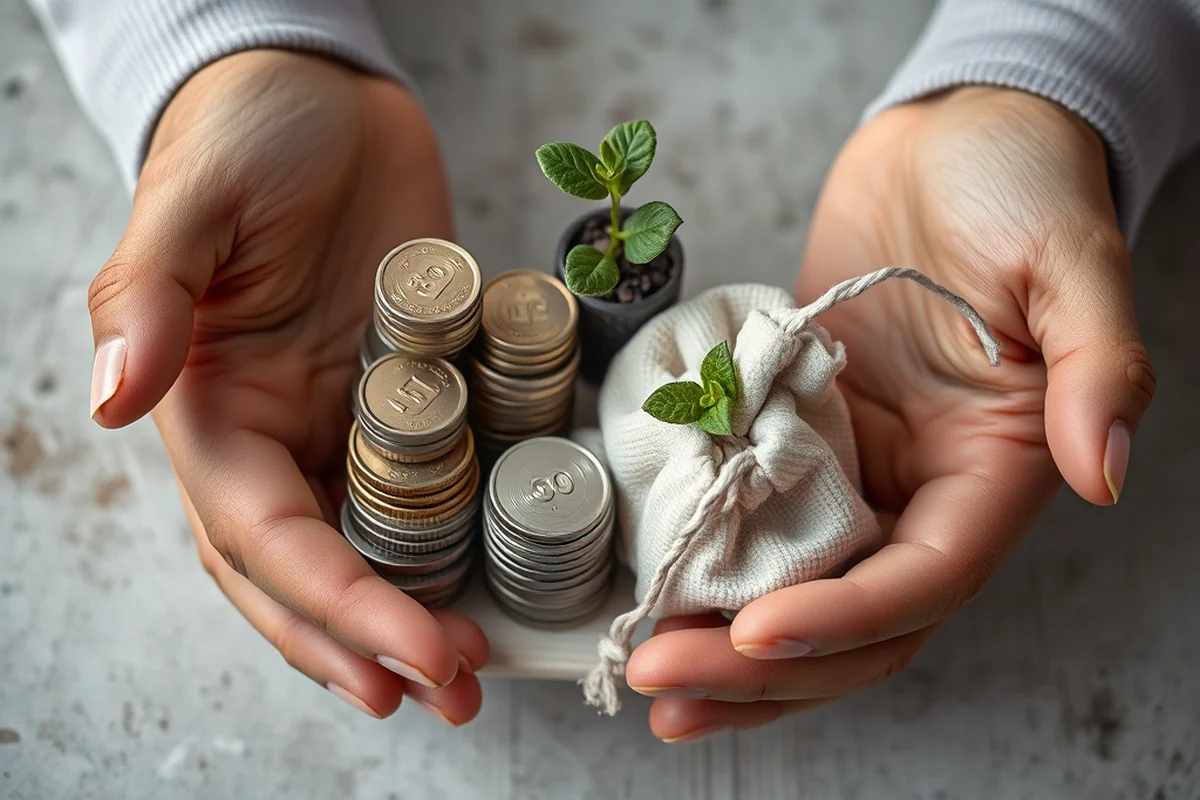
Before I started automating my savings, I didn't have an emergency fund. That changed when I prioritized building one. I set a goal of saving three months of expenses, and I aimed to reach it in a year. It was slow at first, but I stuck with it.
I kept this money in a high-yield savings account so it would earn a little extra interest. Even with a small amount, the interest added up over time. I was able to cover unexpected expenses like car repairs without having to dip into my regular budget.
Having that safety net made me feel more secure. I no longer worried about unexpected bills or emergencies. It was a small investment that paid off in more ways than one.
Review and Adjust Every Quarter
I review my financial plan every quarter, and it's a habit that has kept me on track. I look at my spending, my savings, and my goals to see if I need to make any adjustments. Sometimes, I have to cut back on a few expenses, but it's worth it for long-term success.
During these reviews, I also check my progress toward my savings goals. If I'm behind, I adjust my budget and increase my savings contributions. It's a simple way to stay on course.
By the time I reached my one-year mark, I had not only met my emergency fund goal but had also saved more than I had planned. Quarterly reviews helped me stay focused and motivated.
Use a Budgeting Template That Works for You
I tried several budgeting systems before I found one that worked for me. Some were too complicated, and others were too simple. The one that stuck was a 50/30/20 budget, where 50% goes to needs, 30% to wants, and 20% to savings and debt.
This system made it easy to see where my money was going and where I could cut back. I used a simple Excel template, and after a few weeks, I had a clear picture of my financial habits.
I've shared this template with friends, and they've found it helpful too. It's customizable, so you can adjust the percentages based on your income and goals.
Find a system that works for you and stick with it.
Stay Informed with Financial News and Trends
I used to think that financial news was only for people who had a lot of money, but that's not true. Staying informed helps you make better decisions about your money, whether it's about investments or inflation.
I follow a few personal finance influencers and read articles about economic trends. It's not about predicting the future, but about understanding the big picture and how it affects your finances.
Even small changes in interest rates or inflation can impact your budget, so staying informed is a small but powerful habit. It helps you plan ahead and make smarter choices.
Track and Eliminate Hidden Monthly Expenses
Every month, I set aside 30 minutes to go through my bank and credit card statements, looking for recurring charges that I didn't actively agree to. Over the past year, I found subscriptions to streaming services, gym memberships, and even a pet insurance plan I no longer needed. By canceling these, I saved over $1,200 annually. This practice is simple but powerful — it removes money from the system that you didn't intend to spend.
To make this easier, I use a spreadsheet that categorizes each recurring charge by type and amount. I review it once a month, and I flag any charges that don’t align with my current needs. For example, I unsubscribed from three streaming platforms after realizing I only used one of them. It took me 20 minutes to cancel them, but it saved me $180 a year.
This habit is especially useful if you're not tracking your spending in real time. I recommend doing this once a month on the 1st or 2nd of each month to stay consistent. You might be surprised by how much you’re paying for things you’ve forgotten about. Once you’ve eliminated the hidden costs, you can redirect that money toward your financial goals or even enjoy a small treat — it’s a win-win.
Automate Your Debt Payments to Avoid Late Fees
I used to forget to pay my credit card and student loan bills, leading to late fees that added up to $200 over two years. To fix this, I set up automatic payments for all my debts through my bank’s online portal. Since then, I’ve never missed a payment. This simple change saved me over $300 in fees and interest charges last year alone.
I recommend setting up automatic payments for all recurring debts, such as credit cards, student loans, and personal loans. I ensure that the payment amount is enough to cover the minimum due, and I check my account balance before setting it up to avoid overdrafts. I also set up email alerts to confirm that the payment has been processed each month.
Another tip: I increase the automatic payment amount by $50 every time I receive a bonus or tax refund. This helped me pay off my student loans three months faster than expected. Automating debt payments not only prevents late fees but also helps you build a better credit score over time. It’s a small change that leads to big savings and peace of mind.
💰 Tight Budget
Perfect for those on a fixed income, this variation focuses on cutting costs and maximizing savings.
🚀 Aggressive Payoff
For those looking to pay off debt quickly, this plan emphasizes high-interest debt and smart investing.
📈 Irregular Income
Ideal for freelancers or those with fluctuating income, this approach focuses on smoothing out cash flow.
👫 Couples
Designed for couples, this plan helps you align your financial goals and build a shared budget.
🌱 Beginner
A simple, step-by-step guide for those new to financial planning, with no jargon or complexity.
| The mistake | Why it happens | The fix |
|---|---|---|
| Trying to track every single expense manually. | It can be time-consuming and overwhelming, leading to burnout and inconsistency. | Use automation tools or apps to track expenses, which saves time and makes the process easier. |
| Not reviewing your budget regularly. | Without regular reviews, you might miss changes in your financial situation or goals. | Schedule quarterly reviews to evaluate your plan and make any necessary adjustments. |
| Ignoring the importance of an emergency fund. | Without an emergency fund, unexpected expenses can derail your financial plan. | Set a goal to save at least three months of expenses in an emergency fund and build it gradually. |
| Not automating savings and bill payments. | Manual management can lead to missed payments and overspending. | Set up automatic transfers for savings and bill payments to ensure consistency and reduce stress. |
Financial Planner Ideas
Common Questions
How long does it take to see results from this financial plan?
Can I use this plan if I have no savings?
What if I don't have access to a smartphone or internet?
Is this plan suitable for someone with multiple debts?
Cite this guide
Financial Planning for Teachers (2026). Financial Planner Ideas. https://classbudget.com/financial-planner-ideas/
Feel free to cite or share this guide.
References
- Occupation Finder: Personal Financial Advisors - Apprenticeship.gov (apprenticeship.gov)
- Personal Financial Advisors : Occupational Outlook Handbook (bls.gov)
- Should You Become a Financial Planner? 3 Key Benefits of This ... (bschool.pepperdine.edu)
- Bachelor of Science in Business Administration | California State ... (ce.csueastbay.edu)