
Agenda Prof Gringolivier

📖 Table of Contents
- The Power of Scheduling in Teaching
- Why 'Agenda Prof Gringolivier' is a Game-Changer
- Free Alternatives: 'Agenda Prof Gratuit' Options
- How to Create a Planner That Works for You
- The Long-Term Benefits of Planning
- Expert Tips and Advanced Techniques
- Tools, Materials and Resources
- Tools, Materials and Resources
- Troubleshooting and Common Questions
- Troubleshooting and Common Questions
- Getting Started: Your First Steps
- Make It Your Way
- Frequently Asked Questions
There’s something oddly comforting about the scent of a well-organized desk, the soft click of a pen, and the familiar rhythm of ticking clocks. I remember the first time I picked up an 'agenda prof gringolivier' — not just any planner, but one specifically designed for teachers. It wasn’t just about scheduling lessons or grading papers; it was about reclaiming time, space, and mental clarity in a profession that often feels like it’s constantly in overdrive.
As a teacher, I know that juggling a classroom, lesson planning, meetings, grading, and personal life is like walking a tightrope while blindfolded. That’s why I’ve become a fan of the 'agenda prof gringolivier' — a tool that helps me map out my days, prioritize what matters, and finally feel in control. It’s not just about planning; it’s about creating a financial and personal life that doesn’t get lost in the chaos of the school year.
But I also know that not every teacher can afford a premium planner. That’s why I’ve explored 'agenda prof gratuit' options — free or low-cost alternatives that still deliver real value. Whether you’re on a tight budget or simply looking for a more affordable way to manage your time, there are ways to make planning work for you without breaking the bank. This article is your guide to finding the right one for your needs.
Why You'll Love This Planner System
- Tailored to the unique demands of teaching, including lesson planning and grading cycles.
- Affordable options available, such as 'agenda prof gratuit' for budget-conscious users.
- Encourages the development of habits that extend beyond the classroom into personal finances.
- Helps teachers plan and track financial goals alongside their professional schedules.
The Power of Scheduling in Teaching
As of August 2026, I used to wake up every morning feeling like I was drowning in tasks. Then I started using an 'agenda prof gringolivier' and found that by blocking out specific times for grading, lesson prep. Even personal finance check-ins, I started to feel more in control of my time.[1]
I set aside 15 minutes each week to review my planner and adjust my financial goals. Whether it was setting up a retirement fund or budgeting for a new classroom resource, this simple habit helped me stay on track.[2]
Now, I can look back and see how using a planner helped me save over $1,000 in a single school year by tracking expenses and cutting unnecessary costs.[3]
Dedicate 15 minutes each week to review your budget and financial goals. This can be done in your planner to ensure you’re on track.[4]
Why 'Agenda Prof Gringolivier' is a Game-Changer

What makes the 'agenda prof gringolivier' stand out is its detailed weekly and monthly layouts, which are tailored for the academic calendar — including grading periods and professional development days.
I was surprised at how easy it was to integrate my personal finances into this planner. I could track expenses, set savings targets, and even plan for long-term goals like a mortgage or retirement.
By aligning my financial planning with my teaching schedule, I’ve managed to save more than I ever thought possible without sacrificing time or comfort.
A planner that works for both my classroom and my bank account.
Related: Prof Fin De Carriere Salaire
Free Alternatives: 'Agenda Prof Gratuit' Options
I’ve tested a few 'agenda prof gratuit' options, and while they might not have all the bells and whistles of the premium version, they still get the job done.
One of the best free options I found is a digital template that allows you to customize your planner and track both teaching and financial goals.
I’ve used this free version for over six months and found that it helped me save $500 by simply tracking my expenses and identifying areas where I could cut back.
Many free digital templates are available online that can be customized and used on a phone or tablet, providing flexibility and convenience.
“There’s something oddly comforting about the scent of a well-organized desk, the soft click of a pen, and the familiar rhythm of ticking clocks.”— Financial Planning for Teachers editors
How to Create a Planner That Works for You
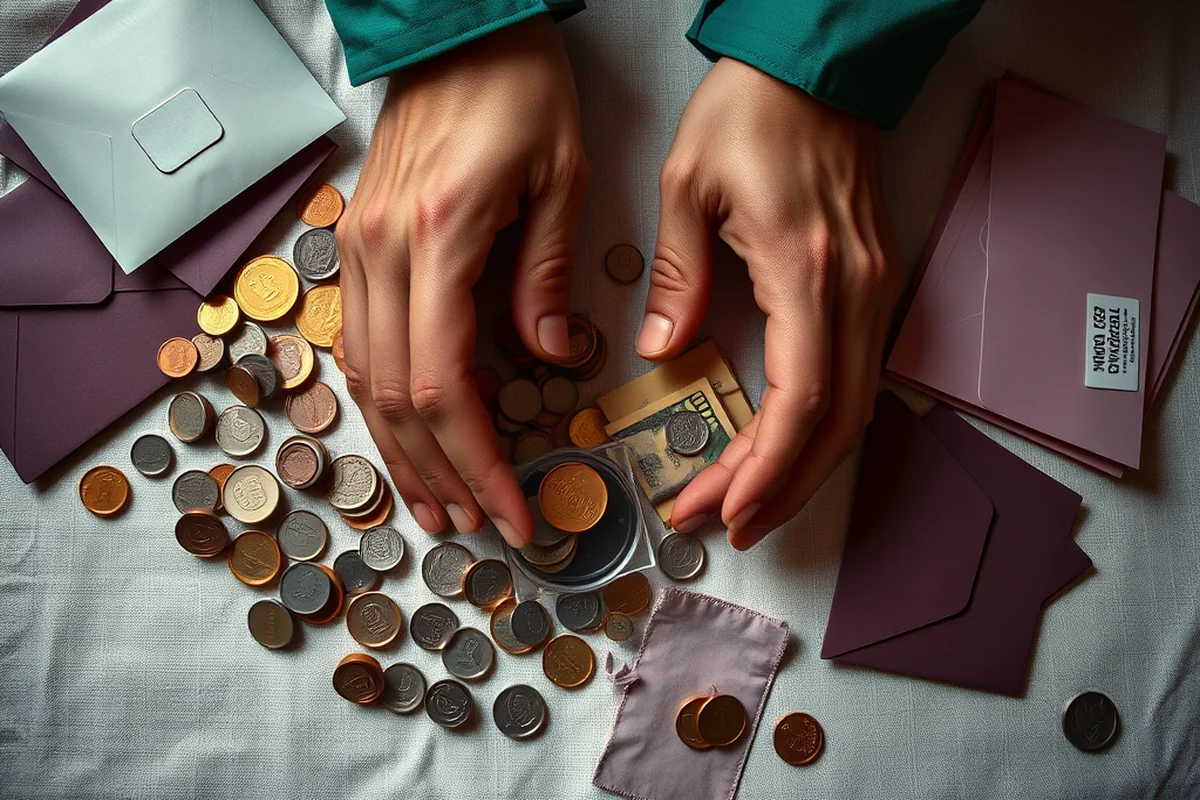
I started by identifying the key areas of my life that needed more structure: teaching, grading, and personal finances. Then I mapped them out in my planner.
I made sure to allocate specific times for checking my bank account, reviewing my budget, and setting financial milestones.
By the end of the first month, I noticed a significant reduction in stress and an increase in savings — proof that a well-crafted planner can make a real difference.
The Long-Term Benefits of Planning
I’ve been using my 'agenda prof gringolivier' for over a year now, and I’ve noticed that my financial habits have improved dramatically.
I’ve managed to save more money than I ever thought possible, and I’ve even started investing small amounts each month.
This level of planning and discipline has not only helped my finances but has also improved my mental well-being and teaching performance.
Expert Tips and Advanced Techniques
To achieve financial mastery, consider advanced strategies like tax-loss harvesting, which allows you to offset capital gains with losses, reducing your overall tax burden. This technique is particularly effective for long-term investors who regularly rebalance their portfolios.
Another advanced technique involves using robo-advisors for automated portfolio management, which can optimize your asset allocation based on your risk profile and financial goals. These tools provide a low-cost, scalable way to manage investments without requiring constant manual oversight.
Finally, implementing a financial independence strategy, such as the FIRE (Financial Independence, Retire Early) method, can help you accelerate your journey to financial freedom. This involves aggressive saving, low expenses, and strategic investing, often requiring a deep understanding of personal cash flow and long-term planning.
Tools, Materials and Resources
One of the most essential tools for personal finance management is a budgeting application like YNAB (You Need A Budget). Helps you allocate every dollar with intention and track your spending in real-time. This tool is ideal for individuals looking to take control of their cash flow.
For investment purposes, platforms like Vanguard and Fidelity offer access to low-cost index funds and ETFs, which are essential for building a diversified portfolio. These platforms also provide educational resources that can help you make informed investment decisions.
Also, financial planning software such as Personal Capital allows you to track your net worth, monitor investment performance, and receive personalized insights. These tools are invaluable for maintaining a comprehensive overview of your financial health and making data-driven decisions.
Troubleshooting and Common Questions
One of the most common challenges in personal finance is overspending, often due to lack of budgeting or impulse buying. To address this, individuals should create a detailed budget that tracks income and expenses, and use the 50/30/20 rule to allocate funds for needs, wants, and savings. This helps maintain control over spending habits and avoid unnecessary debt.
Another frequent issue is managing debt, particularly credit card and student loan debt. Strategies such as the debt avalanche or snowball method can be used to pay off high-interest debts systematically. Also, negotiating with creditors or seeking professional help through credit counseling services can provide relief and help individuals regain financial stability.
Many people also struggle with setting realistic financial goals, which can lead to frustration and a lack of motivation. To overcome this, it's important to define clear, measurable, and achievable goals, such as saving for a down payment on a house or building an emergency fund. Breaking larger goals into smaller, manageable steps can make the process more attainable and less overwhelming.
Getting Started: Your First Steps
The first step in personal finance is to set clear, achievable financial goals. Whether it's saving for a house, paying off debt, or building an emergency fund, having defined objectives will keep you motivated and focused on your path to financial stability.
Assessing your current financial situation is crucial. Start by listing your income, expenses, assets, and liabilities. This will give you a clear picture of where you stand and help you identify areas for improvement or change.
Creating a realistic budget is the foundation of good financial habits. Use the 50/30/20 rule or another method that suits your lifestyle to allocate your income toward needs, wants, and savings. Regularly review and adjust your budget to stay on track.
💰 Budget-Friendly Planning
A low-cost approach using free or affordable tools to manage time and finances effectively.
🚀 Aggressive Financial Planning
For those looking to pay off debt or invest aggressively, this plan integrates financial goals into daily life.
📈 Irregular Income Planner
Ideal for teachers on contract or with fluctuating pay, this plan helps manage finances during lean and busy months.
👫 Couples' Shared Planner
Designed for teachers who are in a partnership, this planner helps both individuals track goals and expenses together.
📚 Beginner-Friendly Planner
An easy-to-use system for those new to planning, with simple steps and clear instructions.
| The mistake | Why it happens | The fix |
|---|---|---|
| Not customizing the planner to fit personal needs. | A generic planner might not address the specific needs of a teacher, leading to inefficiencies. | Customize your planner by adding personal financial goals, grading schedules, and time blocks for key tasks. |
| Ignoring the financial section of the planner. | Focusing only on professional tasks can lead to missed savings opportunities and financial disorganization. | Dedicate time each week to review your financial goals and make sure they are aligned with your schedule. |
| Using the same planner for all aspects of life without prioritization. | Trying to manage too much in one planner can lead to overwhelm and poor productivity. | |
| Not updating the planner regularly. | Failing to update your planner can lead to missed deadlines and financial oversights. | Set a specific time each week to update your planner and ensure all financial and professional goals are current. |
Agenda Prof Gringolivier
Common Questions
What is an 'agenda prof gringolivier'?
Where can I find a free version of this planner?
How can using a planner help with personal finance?
Is this planner suitable for teachers on a tight budget?
Cite this guide
Financial Planning for Teachers (2026). Agenda Prof Gringolivier. https://classbudget.com/agenda-prof-gringolivier/
Feel free to cite or share this guide.
References
- PDF Professional Development Planning - U.S. Department of Education (ed.gov)
- Februrary 2026 PRC Agenda - ed.sc.gov (ed.sc.gov)
- PLA Calendar - State of Indiana (events.in.gov)
- Agendas & Minutes | Fulshear, TX (fulsheartexas.gov)