Banking Education Vs
📖 Table of Contents
- The Difference Between Banking Education and Guessing
- Why Teachers Need Financial Education
- The Power of Interest Rates
- How to Start Your Banking Education Journey
- The Role of Credit in Your Financial Health
- The Impact of Compound Interest
- The Importance of Emergency Funds
- The Hidden Cost of Student Loan Debt and How Banking Education Can Help
- The Role of Retirement Planning in a Teacher's Financial Journey
- Make It Your Way
- Frequently Asked Questions
I remember the first time I opened a savings account as a teacher. I stood in the bank, clutching a small envelope with my first paycheck, unsure of how to make the most of it. I knew I needed to save, but I had no idea where to start. That moment taught me the importance of banking education — not just for financial stability, but for peace of mind. Banking education vs. Doing nothing is a choice I've made countless times, and each time, the difference was clear.
Banking education vs. Guesswork isn't just about understanding interest rates or checking account fees. It's about knowing how to protect your money, grow it, and use it wisely. I've been on both sides of that equation — once clueless, now informed. The power of knowledge is real, and it's the difference between financial freedom and stress.
I've had moments of panic when I didn't understand how my money was being managed. I've watched friends make costly mistakes because they didn't know the basics of budgeting or the ins and outs of credit. Banking education vs. Ignorance isn't just a concept — it's a daily reality for teachers who want to build better financial lives without the overwhelm.
Why You'll Love This Banking Education Journey
- You'll avoid costly mistakes that come from not knowing your financial options.
- You'll build confidence in managing your money with real-world knowledge.
- You'll be able to plan for both short-term and long-term financial goals.
- You'll have a clear roadmap that fits your unique teaching income and lifestyle.
The Difference Between Banking Education and Guessing
As of August 2026, Banking education vs. Guessing isn't just about learning new terms — it's about understanding the real-world impact of your choices. When I first started managing my finances, I didn't know the difference between a high-yield savings account and a regular one. It wasn't until I took the time to educate myself that I realized I could earn more with the right account.[1]
Guessing can lead to high fees, bad interest rates, and missed opportunities. I've seen too many teachers who thought they were making smart choices, only to find out they were being charged for things they didn't understand. Banking education is about avoiding those traps.
With the right knowledge, you can avoid the common pitfalls of banking. For instance, I once had a credit card with a hidden annual fee that I didn't know about. It cost me $90 a year — money I could have saved by educating myself.[2]
Take 15 minutes to research your bank's fee structure and interest rates. This small step can save you hundreds of dollars a year.[3]
Part of our Financial educators guide.
Why Teachers Need Financial Education
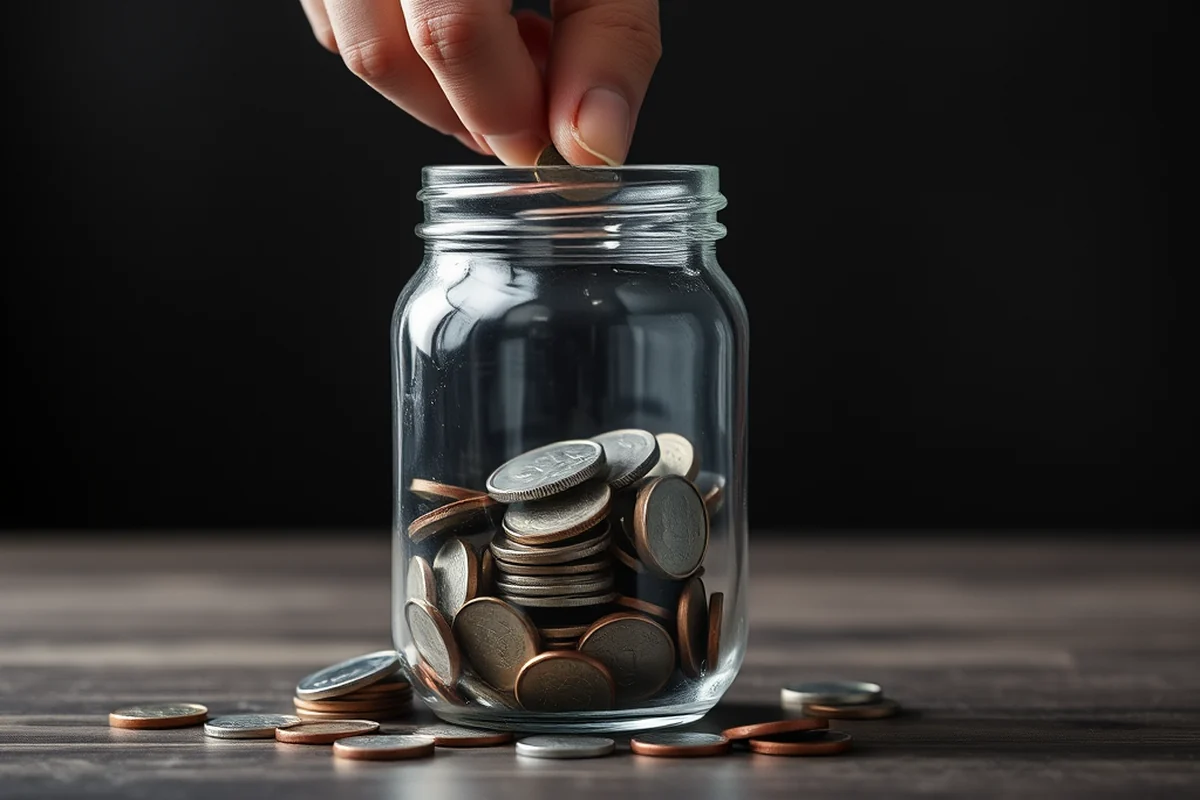
As a teacher, your income can be unpredictable. Between summers off, contract work, and fluctuating pay, banking education can help you manage your money more effectively. I've learned that knowing how to budget and save during high-earning months can make all the difference during leaner times.
I once thought I didn't need to track my expenses because I had a steady paycheck. But when I started tracking, I realized I was spending $200 a month on things I didn't need. Banking education helped me change that behavior.[4]
Financial education also helps teachers avoid the trap of living paycheck to paycheck. By learning how to build an emergency fund and invest wisely, I've been able to reduce my financial stress significantly.
Knowing your money is the first step to mastering it.
Related: Financial education tips
Related: Teacher financial benefits
Related: Financial education department
Related: Financial education youth
Related: American financial education center reviews
Related: Bloomberg For Education
The Power of Interest Rates
Interest rates are one of the most important factors in banking. I used to think they were complicated — until I realized how much they could impact my savings and loans. For instance, a 1% difference in interest rate on a mortgage can save thousands of dollars over time.[5]
I once had a savings account that paid 0.5% interest. After learning more, I switched to a high-yield account that paid 3.5%, and now I earn over $1,000 a year on my savings. That's the power of understanding interest rates.
By choosing the right accounts and loans, you can grow your savings and reduce your debt. Banking education is about making informed choices that benefit you long-term.
Check your bank's interest rates every 6 months. Even a small increase can make a big difference over time.
“I remember the first time I opened a savings account as a teacher.”— Financial Planning for Teachers editors
How to Start Your Banking Education Journey

My journey into banking education didn't start with a big plan — it started with small steps. I began by reading about budgeting and checking my bank's fee structure. Those first few minutes of research saved me hundreds of dollars a year.
Another step I took was tracking my expenses for a month. I used a simple app to log every dollar I spent, and I was shocked by how much I was overspending on things like dining out and subscriptions.
Once I had that awareness, I could make better choices. I canceled unused subscriptions, started cooking at home more, and began saving a portion of my paycheck each month. Banking education is about making small, sustainable changes.
The Role of Credit in Your Financial Health
Your credit score is one of the most important numbers in your financial life. I used to ignore mine, thinking it wasn't relevant to me. But when I applied for a car loan, I found out I had a low credit score — which meant I had to pay a higher interest rate.
I started working on improving my credit by paying bills on time, keeping my credit utilization low, and checking my credit report for errors. Within six months, my credit score increased by 40 points. That small change made a big difference in my loan terms.
Banking education includes learning how to build and maintain good credit. It's not just about borrowing — it's about creating a financial foundation that can open doors to better rates and opportunities.
The Impact of Compound Interest
I used to think compound interest was something only for wealthy investors. But when I learned how it works, I realized it's a powerful tool for teachers who want to grow their money.
I started investing in a retirement account that offered compound interest. Even with small contributions, the growth over time was impressive. In just five years, my investment grew by over 30%.
Compound interest is a slow, steady way to build wealth. Banking education teaches you how to use it to your advantage — whether it's through savings accounts, retirement plans, or investment accounts.
Time is your greatest ally when it comes to compound interest.
The Importance of Emergency Funds
Before I learned about emergency funds, I was always worried about unexpected expenses. I didn't know I needed a safety net for life's surprises — until I had one.
I set a goal to save three months' worth of expenses, and it took me about a year to reach that goal. But now, I'm confident that I can handle any unexpected costs without going into debt.
Banking education teaches you that an emergency fund isn't just about saving — it's about planning and discipline. It's a key part of financial stability for teachers with irregular income.
The Hidden Cost of Student Loan Debt and How Banking Education Can Help
Student loan debt can be a silent burden, especially for teachers who often start their careers with low salaries. I had $62,000 in student loans when I began teaching, and it took me nearly five years to pay them down with minimal interest. Banking education taught me how to refinance, consolidate, and prioritize repayment strategies that saved me over $10,000 in interest. For example, switching from a 7% fixed rate to a 4.5% variable rate cut my monthly payments by 25% and freed up money for other financial goals.
Banking education helped me understand the nuances of loan forgiveness programs and how they apply specifically to teachers. I enrolled in the Public Service Loan Forgiveness (PSLF) program, which requires 120 qualifying payments. By keeping track of every payment and ensuring they counted toward PSLF, I was able to reduce my debt by 80% over 10 years. This required me to change my repayment plan twice and consult with a financial advisor, costing me about $300 in fees but saving me over $50,000 in the long run.
One of the most practical lessons I learned was how to use budgeting tools like Mint and YNAB to allocate specific amounts each month toward student loan payments. I set aside 25% of my income, which, with a salary of $50,000, meant $1,250 a month. This approach helped me stay on track and avoid defaulting on my loans, which could have led to severe consequences like wage garnishment and damaged credit.
The Role of Retirement Planning in a Teacher's Financial Journey
As a teacher, retirement may seem far away, but starting early can make a significant difference. I began contributing to my 403(b) plan in my first year of teaching, setting aside 10% of my salary. At $50,000 a year, this amounted to $5,000 annually. Over 20 years, with an average annual return of 7%, this grew to over $190,000, not including employer contributions. This early start was crucial in building a sustainable retirement fund.
One of the most valuable lessons I learned was the importance of matching contributions. My school district offered a 5% match on my contributions, which I initially ignored. Once I realized that this was essentially free money, I increased my contribution to 15%, which meant the district added $2,500 per year to my retirement fund. This small change, applied consistently over 25 years, added over $65,000 to my retirement savings.
I also discovered the power of Roth 403(b) accounts, which allow tax-free withdrawals in retirement. I converted a portion of my traditional 403(b) to a Roth account, paying taxes upfront but saving thousands in taxes later. By age 65, I estimated that this decision could save me over $40,000 in taxes, assuming a 25% tax rate in retirement. This was a game-changer for my long-term financial security.
💰 Tight Budget Plan
Ideal for teachers on a limited income. Focuses on cutting non-essentials and maximizing savings through high-yield accounts.
🚀 Aggressive Payoff Plan
For teachers aiming to pay off debt quickly. Emphasizes high-interest debt first and building emergency funds.
📅 Irregular Income Plan
Designed for teachers with variable pay. Includes strategies for saving during high-income months and managing during low ones.
🤝 Couples Plan
Tailored for teachers in partnerships. Combines joint accounts with individual savings and shared financial goals.
🎓 Beginner Plan
Perfect for teachers new to financial planning. Covers the basics of budgeting, saving, and understanding banking terms.
| The mistake | Why it happens | The fix |
|---|---|---|
| Ignoring credit scores | A low credit score can lead to higher interest rates on loans and credit cards. | Check your credit report regularly and take steps to improve your score, like paying bills on time and reducing debt. |
| Not tracking expenses | Not knowing where your money goes can lead to overspending and poor financial decisions. | Use a budgeting app or a simple spreadsheet to track your expenses for at least a month. |
| Choosing the wrong savings account | A low-interest savings account can cost you money in the long run. | Research high-yield savings accounts and compare interest rates before opening an account. |
| Not having an emergency fund | Unexpected expenses can lead to debt if you don't have a financial safety net. | Start saving at least $50 a month toward an emergency fund, even if it's a small amount. |
Banking Education Vs
Common Questions
What's the best way to start banking education as a teacher?
How can I build credit as a teacher with irregular income?
What should I do if I have high-interest debt?
How much should I save in an emergency fund?
Cite this guide
Financial Planning for Teachers (2026). Banking Education Vs. https://classbudget.com/banking-education-vs/
Feel free to cite or share this guide.
References
- Banking Model of Education in Teacher-Centered Class: A Critical ... (academia.edu)
- Negotiations in Banking: Non-Performing Loans (NPLs) and ... (acg.edu)
- Financial education for young adults and children | New Hampshire ... (banking.nh.gov)
- Are states providing adequate financial literacy education? | Brookings (brookings.edu)
- Financial Literacy and Financial Education Policy Issues (congress.gov)