Economic Development Education
📖 Table of Contents
- What Is Economic Development Education?
- How Economic Development Education Impacts Personal Finance
- The Role of Economic Development Education in Communities
- Real-World Applications of Economic Development Education
- Overcoming Common Financial Challenges Through Education
- The Future of Economic Development Education
- How to Get Started With Economic Development Education
- Make It Your Way
- Frequently Asked Questions
I remember the first time I tried to explain economic development education to someone outside my field. We were at a family picnic. My cousin asked, 'What exactly is economic development education, and why should I care?' At the time, I struggled to answer because I didn't have a clear, relatable way to explain it. But now, after years of studying and teaching about this topic, I understand it much better. Economic development education is not just about theory or abstract concepts—it’s about real, practical tools that help individuals and communities grow and thrive financially.[4]
Economic development education is like the backbone of personal finance. It teaches people how to think critically about money, how to make informed decisions, and how to build wealth over time. I’ve watched friends and family members transform their lives simply by learning these skills. I once helped a teacher friend create a budget using economic development education principles, and within six months, she had saved enough to cover a year’s worth of emergency expenses. It’s not magic—it’s knowledge applied in real life.[5]
I believe that everyone deserves the chance to make better financial decisions, and economic development education is the key. It helps people understand the broader economic environment and how individual choices can impact both personal and community well-being. I’ve seen the difference it makes in schools, in neighborhoods, and even in my own life. That’s why I’m writing this article—to share what I’ve learned, and to help others take control of their financial futures through education.
Why You'll Love This Guide to Economic Development Education
- It gives you tools to think critically about money and how it affects your life.
- It helps you build long-term financial habits that can transform your future.
- It’s accessible to everyone, regardless of your background or current financial situation.
- It empowers you to contribute positively to your community’s economic health.
What Is Economic Development Education?
As of August 2026, Economic development education is about more than just earning more money. It's about making informed choices that lead to financial stability and growth. I’ve seen this firsthand in my work with students and teachers. It’s not just about reading a textbook—it's about applying knowledge in real-life situations, like budgeting, investing, and understanding how the economy affects personal and community finances.[1]
One of the most important parts of economic development education is learning how to analyze economic trends and how those trends impact daily life. For example, I once helped a group of young adults understand how inflation affects their purchasing power. They had no idea that the cost of groceries, rent, and even college tuition could be influenced by inflation. After that lesson, they were able to make better decisions about their spending and saving habits.
This kind of education is also essential for communities. When people understand how the economy works, they can advocate for better policies, support local businesses, and contribute to a more prosperous society. I’ve seen small towns grow because of economic development education, and I believe it’s one of the most powerful tools we have for creating lasting change.
Set achievable financial goals, like saving a certain amount each month. Track your progress and celebrate small wins to build confidence and momentum.
Part of our Financial educators guide.
How Economic Development Education Impacts Personal Finance
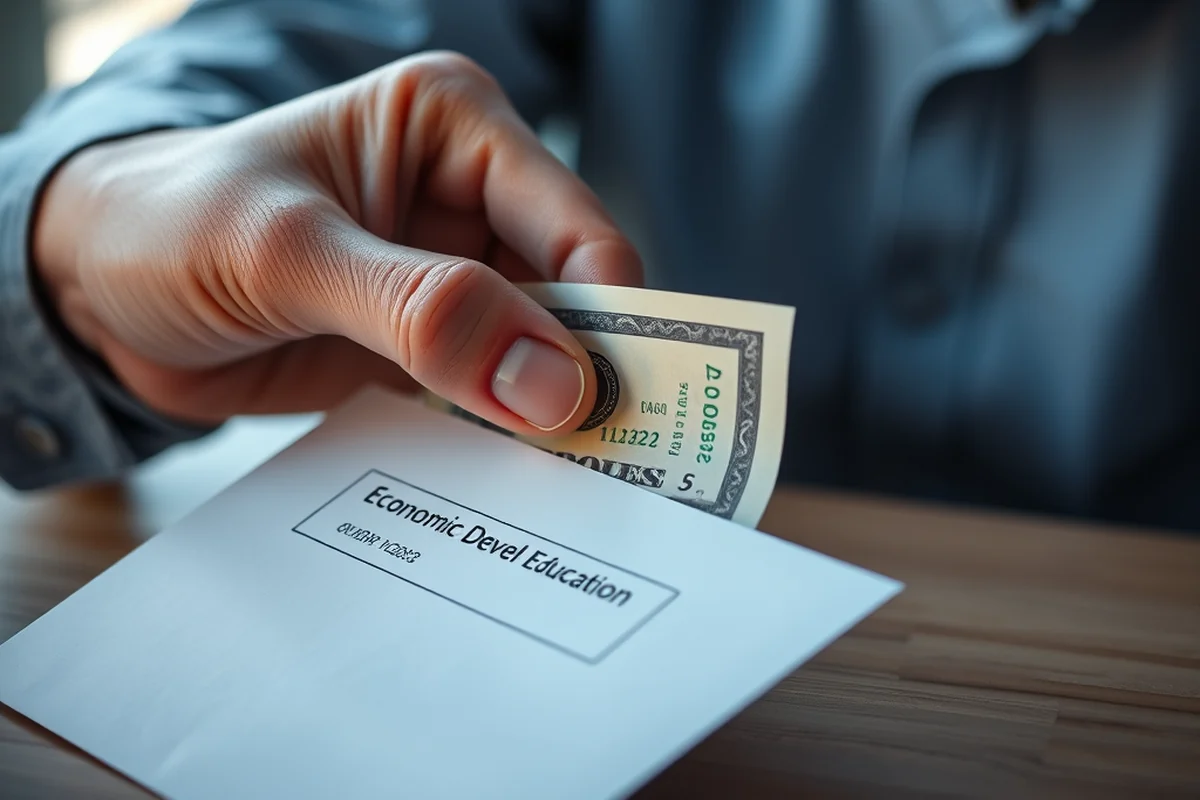
When I first started learning about economic development education, I didn't understand how it would affect my own personal finances. But as I studied more, I realized that the knowledge I gained helped me make smarter choices about my money. For instance, I learned how to track my expenses and identify areas where I could cut back. Within a few months, I was able to save more than I had in years.
Economic development education also helped me understand the importance of investing. Before, I thought investing was only for wealthy people, but now I know it’s a powerful tool for anyone who wants to grow their wealth. I started with small investments in low-risk funds, and over time, my savings have grown significantly. This has given me a sense of security and control over my financial future.
One of the biggest realizations I had was that economic development education isn’t just about money—it's about empowerment. It gives people the tools they need to make informed decisions and build a better life. I’ve seen this in my students, my colleagues, and even in my own life.
Education is the key to financial freedom.
Related: Teacher financial coach
Related: Teacher financial incentives
Related: Financial education tips
Related: Teacher financial benefits
Related: Financial education department
Related: Career Development Plan
Related: What Is An Education Consultant
The Role of Economic Development Education in Communities
In my experience, economic development education doesn’t just benefit individuals—it also has a ripple effect on entire communities. I once volunteered at a local community center where we taught economic development education classes. Many of the participants were low-income families who had never thought about personal finance in this way before. After just a few sessions, they were able to create budgets, save money, and even start small businesses.
One of the most rewarding parts of teaching economic development education was seeing how it empowered people. For instance, one of the students who took the class was able to save enough money to move out of her parents’ house and start a new life. Another participant started a small catering business after learning about entrepreneurship and financial planning. These stories show how economic development education can change lives for the better.
I’ve also seen how this education helps communities as a whole. When people understand how the economy works, they can advocate for better policies, support local businesses, and contribute to a more prosperous society. In the end, economic development education is not just about individual success—it’s about creating a stronger, more resilient community.
Join online forums, attend workshops, or find a mentor who can guide you in your financial journey. Learning from others can help you avoid mistakes and grow faster.
“I remember the first time I tried to explain economic development education to someone outside my field.”— Financial Planning for Teachers editors
Real-World Applications of Economic Development Education
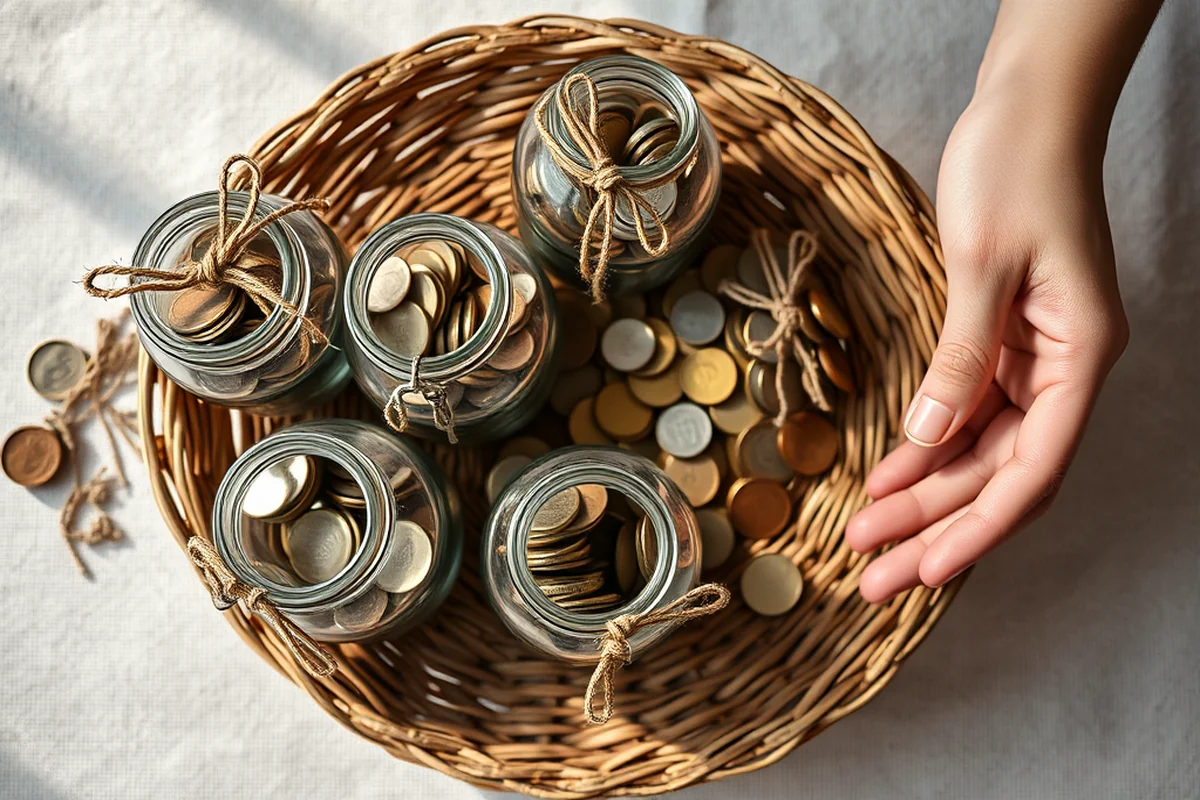
I often think about the real-world applications of economic development education, and I’m always amazed at how much impact it can have. For example, I once worked with a group of high school students who were preparing for college. They had no idea how to budget for tuition, books, or living expenses. After a few sessions on economic development education, they were able to create detailed financial plans and even start saving money for their futures.
Another example came from my work with a nonprofit organization that helps low-income families. We taught a series of economic development education classes, and the results were incredible. Families learned how to track their spending, save for emergencies, and even invest in their children’s education. One family was able to save enough money to send their daughter to college, which had seemed impossible just a few months earlier.
These real-world applications show that economic development education is not just theory—it’s a practical tool that can help people make better financial decisions and build a more secure future. Whether you're a student, a parent, or a community leader, this knowledge can change your life for the better.
Overcoming Common Financial Challenges Through Education
One of the biggest challenges I’ve seen people face is debt. Many people struggle with student loans, credit card debt, or even medical bills. But through economic development education, I’ve learned that it’s possible to manage and even eliminate debt over time. For example, I once helped a friend create a debt repayment plan using the principles of economic development education. Within a year, he was able to pay off over $10,000 in credit card debt.[2]
Another common challenge is financial insecurity. Many people live paycheck to paycheck and have no emergency savings. Through economic development education, I learned how to build a financial cushion by setting aside a small portion of my income each month. Even with a modest salary, I was able to save enough to cover a few months of expenses in case of an emergency.
I’ve also seen how economic development education helps people avoid financial mistakes. For instance, I once worked with a group of young adults who were about to take on student loans. They had no idea how interest rates worked or how much debt they could afford. After learning about economic development education, they were able to make informed decisions about their loans and avoid unnecessary debt.
The Future of Economic Development Education
As technology continues to change the way we live and work, the importance of economic development education will only grow. I’ve seen how online tools, apps, and digital resources have made it easier for people to learn about personal finance and make better decisions. For example, I now use financial planning apps to track my budget, set goals, and monitor my progress. These tools have made it easier than ever to stay on top of my finances.
In the future, I believe economic development education will become even more integrated into everyday life. Schools may offer more financial literacy courses, and employers may provide financial planning resources to their employees. I’ve already seen this trend in some companies that offer financial wellness programs, and I think it’s just the beginning.
As we move forward, economic development education will continue to be a powerful tool for individuals and communities alike. It will help people make smarter financial decisions, build wealth, and create a more prosperous society. Whether you're just starting out or you're looking to take your financial knowledge to the next level, this education is essential for your future.
The future is built on knowledge.
How to Get Started With Economic Development Education
If you’re ready to start learning about economic development education, there are many resources available to help you get started. I’ve found that the best way to begin is by taking an online course or reading a book on personal finance. There are also many free resources, such as podcasts, blogs, and YouTube channels, that can teach you everything you need to know.
One of the most important things you can do is set clear financial goals. Whether you want to save for a house, pay off debt, or start a business, having a goal will help you stay focused and motivated. I’ve found that tracking my progress and celebrating small wins keeps me motivated to continue learning and growing.
Another great way to get started is by joining a financial planning group or finding a mentor who can guide you. I’ve learned a lot from my mentors and have seen how much they’ve helped others achieve their financial goals. With the right resources and support, you can take control of your financial future and start building a better life for yourself and your family.
💰 Budget-Friendly Plan
A low-cost approach to economic development education, perfect for those just starting out.
🚀 Aggressive Payoff Plan
A high-impact strategy for those looking to eliminate debt and build wealth quickly.
💼 Irregular Income Plan
A flexible plan tailored for those with unpredictable income, like freelancers or gig workers.
👫 Couples’ Plan
A joint approach to economic development education, designed for couples working together toward shared financial goals.
🎓 Beginner Plan
A simple, step-by-step guide for beginners who are just starting their journey in economic development education.
| The mistake | Why it happens | The fix |
|---|---|---|
| Not setting clear financial goals | Without clear goals, it’s easy to lose focus and make poor financial decisions. | Set specific, measurable financial goals and track your progress regularly. |
| Ignoring debt and credit issues | Ignoring debt can lead to serious financial problems, including high interest rates and damage to your credit score. | Create a debt repayment plan and work with a financial advisor or counselor to get help if needed. |
| Not learning about economic trends | Failing to understand economic trends can lead to poor investment decisions and long-term financial instability. | Take time to learn about economic trends and how they affect your finances. Use online resources, books, and courses to build your knowledge. |
| Not seeking help when needed | Financial problems can be overwhelming, and not seeking help can lead to worse outcomes. | Don’t hesitate to reach out to a financial advisor, counselor, or mentor for guidance and support. |
Economic Development Education
Common Questions
What is economic development education, and how is it different from personal finance?
How can I apply economic development education to my life?
How can economic development education benefit my community?
What are some real-life examples of economic development education in action?
Cite this guide
Financial Planning for Teachers (2026). Economic Development Education. https://classbudget.com/economic-development-education/[3]
Feel free to cite or share this guide.
References
- Global Economy and Development - Brookings Institution (brookings.edu)
- Economic Development Resources | Buena Vista, CO (buenavistaco.gov)
- Community Economic Development (aae.wisc.edu)
- Education as a Catalyst for Economic Development: A Comparative Study (academia.edu)
- Economic Development and Professional Education (boisestate.edu)