
Teacher Happy Planner 2025

📖 Table of Contents
As a teacher, I’ve always found myself juggling a dozen different roles at once: educator, mentor, planner, and sometimes even therapist. But it wasn’t until I created my own 'Teacher Happy Planner 2025' that I truly began to reclaim my time and mental space. This isn’t just a planner—it's a lifeline, a tool that has helped me track my finances, plan my lessons, and even find time to breathe. It started with one simple question: How can I manage everything I need to do while still living a life that feels balanced and fulfilling?[1]
The first time I used the 'Teacher Happy Planner 2025', I was struck by how much it simplified my monthly budgeting. I used to spend hours at the end of each month trying to remember what I spent on groceries, school supplies, and even my student loan payments. With the planner, I now track everything in real time—down to the last dollar. It’s like having a personal financial coach in my backpack, guiding me through each month with clarity and purpose.[2]
Over the past year, the 'Teacher Happy Planner 2025' has become more than a tool—it’s become part of my routine. I use it to plan my lessons, set financial goals, and even track my personal well-being. It’s helped me save for my first home down payment, budget for my children’s activities, and even prepare for unexpected expenses. The key is that it’s not about being perfect; it’s about being intentional. And that’s exactly what I want for every teacher who reads this.[3]
Why You'll Love This Planner
- It helps you track your finances and life goals in one place.
- It’s designed specifically for teachers with irregular schedules and needs.
- It includes real-life budgeting examples and templates.
- It’s easy to use, with clear steps and a minimalistic layout.
How the Planner Works for Teachers
As of October 2026, Teachers often have unpredictable schedules, making it hard to plan ahead. That’s why the 'Teacher Happy Planner 2025' includes a section for tracking your monthly income and expenses, with color-coded categories that help you see where your money is going. I filled mine out with my paychecks, car payments, and even my grocery shopping trips—everything in one place.
The planner also includes weekly checklists and goal-setting pages that align with your teaching schedule. I’ve used the planner to track my lesson planning, parent-teacher meetings, and even my own professional development goals. It’s like having a personal assistant that helps you stay on top of everything.
What I love most is how simple it is to use. In the first 30 days, I was able to track my budget, set financial goals, and even start saving for a vacation. It’s a small investment of time that pays off in the long run.
Write down your monthly income and all your regular expenses. This will help you see where your money goes and where you can cut back.
Part of our More planner teachers guide.
The Power of Monthly Budgeting
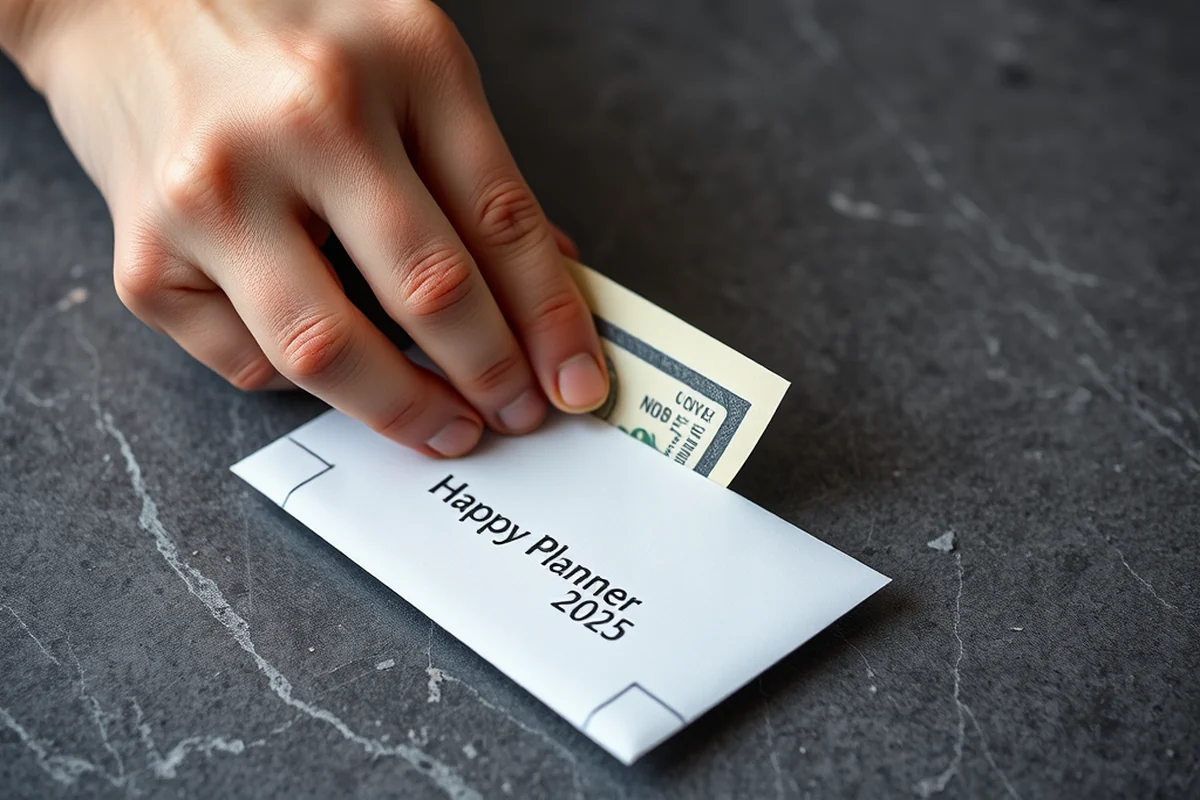
Before using the 'Teacher Happy Planner 2025', I had no idea how much I was spending on coffee and takeout each month. Once I started tracking it, I realized I could cut that expense in half and save over $150 a month. That’s a game-changer for teachers who often have limited funds.
The planner includes a simple budgeting template that you can fill out each month. I use it to track my income, fixed expenses like rent and car payments, and variable expenses like groceries and entertainment. It’s eye-opening to see where your money is going.
One of the most powerful features of the planner is that it helps you set and track financial goals. I set a goal to save $2,000 for my first home down payment, and now I’m on track to hit that goal within a year.
A budget is a map, not a chain.
Related: Teacher planner hardback
Setting Financial Goals with the Planner
Setting financial goals is one of the most important steps in improving your financial health. The planner includes a section for long-term and short-term goals, such as saving for a vacation, paying off debt, or building an emergency fund.
I used the planner to set a goal to pay off my student loans within five years. By tracking my monthly payments and seeing how much I’ve paid off each month, I’ve stayed motivated and on track. It’s a small but powerful way to take control of your finances.
The planner also includes progress trackers that help you see how close you are to reaching your goals. I love seeing the percentage of my goal completed each month—it’s a great motivator.
Instead of saying 'I want to save money,' set a specific goal like 'I want to save $500 for an emergency fund by July.' This makes it easier to track and achieve.
“As a teacher, I’ve always found myself juggling a dozen different roles at once: educator, mentor, planner, and sometimes even therapist.”— Financial Planning for Teachers editors
Related: Teacher planner best
The Planner’s Weekly Features

Each week, I use the planner to set my priorities and track my progress. The weekly section includes space for lesson planning, to-do lists, and even personal goals. It’s a great way to stay on top of everything.
I also use the planner to track my time and energy levels each week. It’s surprising how much I can accomplish when I have a clear plan. The weekly checklists help me stay focused and avoid getting overwhelmed.
One of the best things about the planner is that it’s flexible. Whether you’re teaching full-time or part-time, the planner adapts to your schedule. It’s a great tool for teachers who need to juggle multiple roles.
Related: Teacher planner gift
Staying Motivated with the Planner
Staying motivated is key to achieving your goals. The planner includes motivational quotes, progress charts, and even small rewards you can give yourself when you reach a milestone.
I’ve used the planner to set small rewards for myself, like buying a new book or treating myself to a movie night. These little rewards help me stay motivated and focused on my goals.
The planner also includes a section for celebrating your wins, no matter how small. I love seeing how far I’ve come each month, and it’s a great way to stay positive and motivated.
Related: Teacher planner cheap
Tracking Your Spending and Saving
One of the most powerful features of the 'Teacher Happy Planner 2025' is its ability to help you track your spending in real time. I used to wait until the end of the month to check my budget, but now I track my expenses as I go.
The planner includes a section for tracking your daily spending, which helps you see where your money is going and where you can cut back. I’ve saved hundreds of dollars just by being more mindful of my spending.
Tracking your spending also helps you see where you can save more money. For example, I realized I was spending too much on meal delivery services, so I cut that out and saved $100 a month.
Every dollar saved is a dollar earned.
Related: Teachers planner digital
Creating a Balanced Life with the Planner
Balancing your financial and personal life is essential for teachers who often juggle multiple roles. The planner helps you track your finances while also making space for your personal goals and well-being.
I use the planner to track my time, energy levels, and even my mental health. It’s a great way to stay balanced and avoid burnout. I’ve found that when I’m in control of my time and finances, I’m much more productive and happy.
The planner also includes space for reflecting on your progress and celebrating your wins. It’s a great tool for teachers who want to live a more balanced and fulfilling life.
💰 Budget-Friendly Plan
A low-cost approach to saving and spending, ideal for teachers with limited funds.
🚀 Aggressive Payoff Plan
A high-energy plan for paying off debt quickly and building wealth fast.
📅 Irregular Income Plan
A plan tailored for teachers with fluctuating paychecks or part-time roles.
👫 Couples Plan
A shared planner for couples to track finances and goals together.
📚 Beginner Plan
A simple, easy-to-use plan for teachers new to financial planning.
| The mistake | Why it happens | The fix |
|---|---|---|
| Not tracking expenses regularly | If you wait until the end of the month to track your expenses, you may miss important patterns and opportunities to save money. | Track your expenses daily or weekly to stay on top of your budget and make better financial decisions. |
| Setting vague financial goals | Vague goals like 'save more money' are hard to measure and achieve. They don’t provide clear direction or motivation. | Set specific, measurable goals like 'save $500 for a vacation by July' to make your goals more achievable and trackable. |
| Ignoring the planner after a few weeks | If you ignore the planner, you lose the benefits of tracking your finances and staying organized. It becomes just another item on your desk. | Make the planner a habit by using it every week and reviewing your progress regularly. |
| Not adjusting the planner for your unique needs | The planner is designed for teachers, but it still needs to be tailored to your specific needs and goals. | Customize the planner to fit your life by adding sections for your unique expenses, goals, and schedule. |
Teacher Happy Planner 2025
Common Questions
Can I use this planner if I have a part-time teaching job?
Do I need to be an expert in finance to use this planner?
How long does it take to fill out the planner each week?
Can I use this planner for personal goals as well?
References
- Understanding the Problem of the Modern-Day Teacher Shortage (scholarworks.uni.edu)
- Professional Learning and Sustainability | Department of Education (azed.gov)
- 2030 Census Planning: What 2024 Brings (census.gov)
Cite this guide
Financial Planning for Teachers (2026). Teacher Happy Planner 2025. https://classbudget.com/teacher-happy-planner-2025/
Feel free to cite or share this guide.
Teacher Summer Pay Stretch
Calculates per-paycheck set-aside for teachers paid over 10 months to cover summer.
Open it free →