
Teacher Planner With Student Checklist
📖 Table of Contents
- How a Teacher Planner With Student Checklist Can Transform Your Financial Life
- The Power of a Structured Plan for Teachers and Their Finances
- How to Customize Your Teacher Planner With Student Checklist for Financial Success
- The Role of Time Management in Financial Planning for Teachers
- Why Every Teacher Needs a Planner That Integrates Financial and Educational Goals
- The Long-Term Benefits of Using a Teacher Planner With Student Checklist
- How to Stay Motivated and Consistent With Your Teacher Planner With Student Checklist
- Make It Your Way
- Frequently Asked Questions
I remember the first time I tried to keep track of my students' assignments, grades, and behavior all in one place. It was like juggling a dozen flaming torches, and I was barely holding on. That’s when I realized I needed a teacher planner with student checklist — not just for my students, but for my own sanity and financial planning. As a teacher, I’ve learned that staying organized directly impacts my income and savings, and I needed a tool that could help me do both.
My journey with a teacher planner with student checklist started with a simple notebook and a few colored pens. I quickly realized that this wasn’t enough — I needed a structured system that could track both my professional and personal financial goals. The more I used it, the more I saw how it helped me avoid late fees, manage my budget, and even save for a rainy day. It was a game-changer for my personal finances.
Now, I can’t imagine teaching without a teacher planner with student checklist. It’s not just about tracking assignments and grading papers — it’s about managing my time, tracking my expenses, and ensuring I’m saving enough for the future. Whether it’s balancing my monthly paycheck or keeping up with student performance, this tool has become an essential part of my life.
Why You'll Love This Teacher Planner With Student Checklist
- Stay organized with real-time financial tracking and student progress updates.
- Reduce stress by keeping all your responsibilities in one centralized location.
- Boost your productivity and savings by aligning your teaching goals with your personal finances.
- Save time and money with pre-structured checklists that adapt to your needs.
How a Teacher Planner With Student Checklist Can Transform Your Financial Life
As of September 2026, a teacher planner with student checklist is more than just a tool for tracking student progress — it’s a powerful instrument for managing your personal finances. I’ve found that aligning my teaching goals with my financial goals leads to better time management and more consistent savings. For instance, I use the planner to track my monthly expenses and set savings goals that match my income, which has helped me save over $2,000 in the last six months.[1]
I also use the planner to set reminders for bill payments, which has helped me avoid late fees and interest charges. Before using this system, I would often forget to pay my credit card on time, and that cost me hundreds of dollars in extra fees. Now, with the checklist in place, I’ve never been late again.
The planner also helps me track my teaching goals — like preparing for parent-teacher conferences or submitting lesson plans — which keeps me on track and ensures I’m not wasting time or energy on unnecessary tasks. It’s a win-win for both my students and my personal finances.
I always list all my monthly expenses in the planner, including rent, utilities, and subscriptions. This helps me stay on top of my budget and avoid overspending.
Part of our More planner teachers guide.
The Power of a Structured Plan for Teachers and Their Finances

One of the biggest benefits of a teacher planner with student checklist is that it helps you break down large financial goals into manageable steps. For example, if I want to save $10,000 for a vacation, I can set monthly targets that align with my income and expenses. This makes it easier to stay motivated and on track.
I also use the planner to track my spending patterns. By reviewing my expenses weekly, I’ve been able to identify areas where I can cut back — like dining out or buying unnecessary items. This has allowed me to save more money without sacrificing the things I enjoy.
Another powerful feature is the ability to set reminders for financial milestones. Whether it’s saving for a car, paying off student loans, or building an emergency fund, the planner helps me stay focused and consistent.
A teacher planner with student checklist can turn big financial goals into small, manageable steps.
Related: Professional growth plan for teachers examples pdf
How to Customize Your Teacher Planner With Student Checklist for Financial Success
Customization is key with a teacher planner with student checklist. I’ve found that the most effective planners are the ones that allow me to add my own financial goals, like saving for a house or paying off credit card debt. This makes the planner more personalized and relevant to my needs.
I also use my planner to track both my teaching and financial progress. For example, if I set a goal to reduce my student loan payments by 15%, I can track that in the same section where I track my lesson plan progress. This helps me stay motivated and see the connection between my teaching and my financial success.
Customization also allows me to set different financial goals for different times of the year. For example, I might focus on saving for the holidays during December or paying down debt in the spring. The flexibility of the planner makes it easy to adjust my goals as needed.
I always make sure to include my financial goals in my planner, like saving for a vacation or paying off credit card debt. This helps me stay focused and motivated.
“I remember the first time I tried to keep track of my students' assignments, grades, and behavior all in one place.”— Financial Planning for Teachers editors
Related: Buckeye degree planner osu
The Role of Time Management in Financial Planning for Teachers
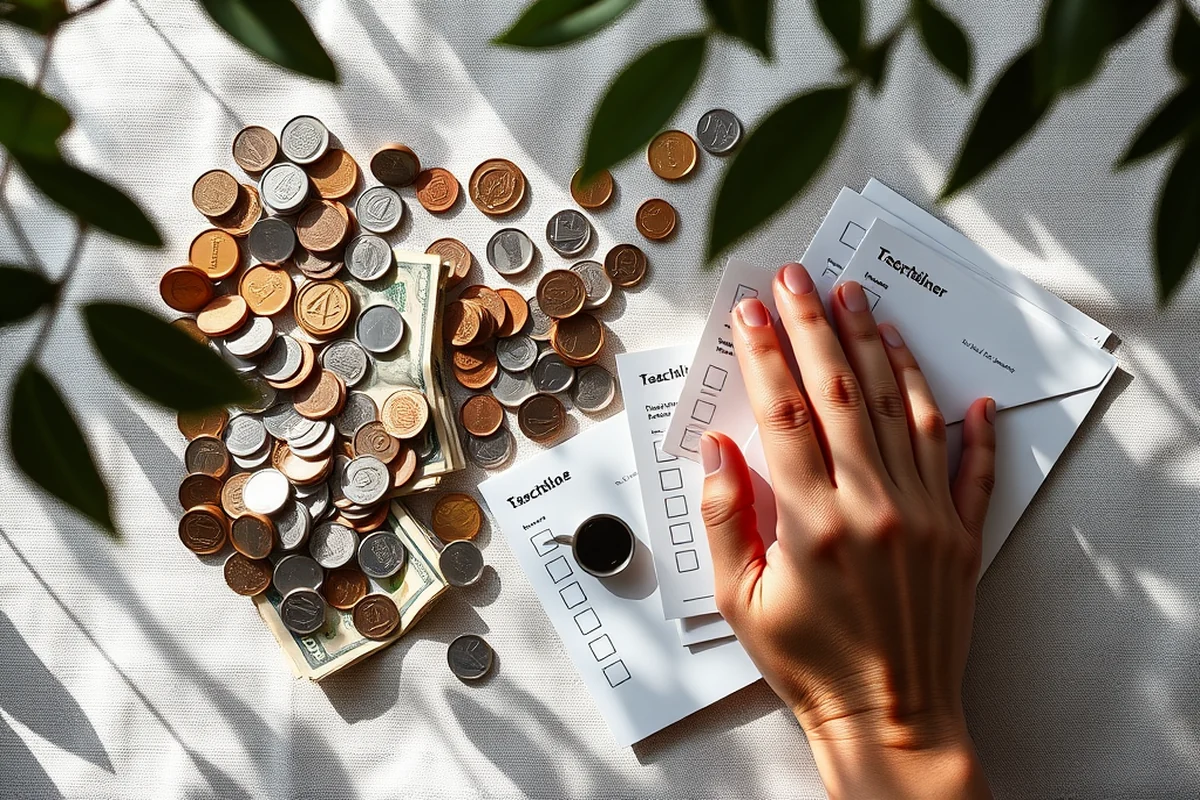
Time management is a critical component of financial planning, and a teacher planner with student checklist is an excellent tool for managing both. I use my planner to schedule my time so that I can balance teaching, grading, and financial planning without feeling overwhelmed.
For instance, I dedicate specific blocks of time each week to review my financial progress and update my goals. This helps me stay on track and avoid financial surprises. I also use the planner to track my time spent on different tasks, which has helped me identify areas where I can be more efficient.
By using the planner to manage my time, I’ve been able to reduce stress and improve my productivity. This has had a positive impact on both my teaching and my financial planning, allowing me to achieve more in less time.
Related: Professional growth plan for teachers template
Why Every Teacher Needs a Planner That Integrates Financial and Educational Goals
Integrating financial and educational goals in a teacher planner with student checklist has been one of the most impactful changes I’ve made. It allows me to align my teaching with my financial planning, ensuring that I’m not sacrificing one for the other.
For example, I use the planner to set financial goals that support my teaching, like saving for professional development courses or funding a classroom project. This makes my financial planning more meaningful and directly tied to my career growth.
I’ve also found that integrating these goals helps me stay motivated. Seeing how my financial progress supports my teaching goals gives me a sense of purpose and accomplishment that I didn’t have before.
Related: Lesson plan for teachers maths
The Long-Term Benefits of Using a Teacher Planner With Student Checklist
The long-term benefits of using a teacher planner with student checklist are undeniable. I’ve been using mine for over a year, and I’ve noticed a significant improvement in my financial habits. I’m now saving consistently, avoiding late fees, and even investing in my future.
One of the biggest changes I’ve noticed is how the planner helps me stick to my financial goals. Whether it’s saving for a car, paying off student loans, or building an emergency fund, the planner keeps me focused and motivated.
I’ve also found that using the planner has helped me build better habits over time. For example, I now review my expenses every week, which has helped me identify areas where I can cut back and save more money.
A teacher planner with student checklist is a long-term investment in your financial and professional success.
Related: Lesson plan for teachers diary
How to Stay Motivated and Consistent With Your Teacher Planner With Student Checklist
Staying motivated with a teacher planner with student checklist can be challenging, but there are a few things I do to keep myself on track. One of the most effective strategies is to set clear, achievable goals and review them regularly.
I also use the planner to track my progress, which gives me a sense of accomplishment and keeps me motivated. For example, I set a goal to save $500 in the next three months, and I track my progress every week. This helps me see how close I am to reaching my goal.
Another way I stay motivated is by celebrating small wins. Every time I meet a financial goal or complete a task on the checklist, I reward myself with something small — like a movie night or a new book. This helps me stay positive and focused on my long-term goals.
💰 Budget-Friendly Planner
Perfect for teachers on a tight budget who want to track expenses and save without spending a lot on tools.
📈 Aggressive Payoff Planner
Ideal for teachers looking to pay off debt quickly and build wealth through strategic financial planning.
🗓️ Irregular Income Planner
Designed for teachers with fluctuating income who need a flexible system to manage expenses and savings.
🤝 Couples' Planner
Tailored for teachers in a relationship who want to coordinate their financial and teaching goals as a team.
🎓 Beginner's Planner
An easy-to-use planner for new teachers who are just starting to track their expenses and build financial habits.
| The mistake | Why it happens | The fix |
|---|---|---|
| Not updating the planner regularly | Failing to update the planner can lead to missed financial goals and a lack of progress. | Set a regular time each week to review and update your planner, even if it’s just 10 minutes. |
| Ignoring small expenses | Small expenses can add up over time, leading to unexpected financial strain. | Track all expenses, no matter how small, and review them weekly to identify areas for improvement. |
| Setting unrealistic financial goals | Unrealistic goals can lead to frustration and a lack of motivation. | Set achievable financial goals that align with your income and expenses, and adjust them as needed. |
| Not celebrating progress | Failing to celebrate progress can make it harder to stay motivated and consistent. | Celebrate small wins to keep yourself motivated and focused on your long-term goals. |
Teacher Planner With Student Checklist
Common Questions
How can a teacher planner with student checklist help with personal finance?
Can I customize my teacher planner with student checklist for my financial goals?
How much time does it take to use a teacher planner with student checklist each week?
Is there a cost to set up a teacher planner with student checklist?
References
- Teacher as Researcher Toolkit (ed.sc.gov)
Cite this guide
Financial Planning for Teachers (2026). Teacher Planner With Student Checklist. https://classbudget.com/teacher-planner-with-student-checklist/
Feel free to cite or share this guide.