
What Is Planning Time For Teachers

📖 Table of Contents
- What Is Planning Time for Teachers?
- Why Planning Time Matters for Teachers
- How to Use Planning Time for Financial Planning
- The Benefits of Using Planning Time for Finance
- How to Stay Motivated During Planning Time
- How to Make the Most of Your Planning Time
- How Planning Time Helps Teachers Avoid Financial Stress
- Make It Your Way
- Frequently Asked Questions
I still remember the first time I tried to plan my personal finances while juggling my teaching responsibilities. It felt like trying to assemble IKEA furniture with only one hand and a flashlight. I had no idea where to start, and the idea of 'planning time for teachers' seemed like an abstract concept that didn’t apply to me. But as I learned more, I realized that planning time for teachers isn’t just about lesson planning—it’s about creating a personal finance strategy that fits into the unpredictable rhythm of a teacher’s life.
Planning time for teachers is more than just a phrase you see on school calendars. It's the quiet, sometimes overlooked window in your schedule where you can breathe, organize, and prepare for what’s ahead—both in the classroom and in your financial life. For teachers, time is a scarce and precious resource, and knowing how to use it effectively can make the difference between financial stress and financial peace of mind.
I’ve spent years helping teachers navigate their personal finances. I’ve learned that planning time for teachers is not just about saving money—it's about creating a life that aligns with your values, goals, and the demands of your profession. Whether you’re trying to build an emergency fund, plan for retirement, or save for your children’s education, your planning time is the key to unlocking financial freedom.
Why You'll Love This Approach to Planning Time for Teachers
- You’ll reduce financial stress by creating a clear roadmap for your money
- You’ll save more with structured, intentional budgeting
- You’ll build a habit of regular financial check-ins that fit your lifestyle
- You’ll feel more in control of your financial future without sacrificing your teaching time
What Is Planning Time for Teachers?
As of October 2026, in the school year, planning time is the hour or two set aside each week for teachers to catch up on grading, plan lessons, and manage their classroom. But for many teachers, this time can also be used to manage their personal finances. I’ve used my planning time to review my budget, check my credit score, and plan for upcoming expenses. It’s a small but powerful habit that helps teachers stay on top of their financial lives.
I remember a time when I thought personal finance planning was something I had to do outside of work. But when I realized that my planning time could be used for this, I started to see the value in it. I began setting aside 15 minutes each week to look at my bank account, track my spending, and make sure I was on track with my goals. It took time, but it made a big difference in my financial stress level.[1]
The key to using your planning time for personal finance is to be consistent. Even 15 minutes a week can help you stay on top of your money. I’ve found that setting a small, specific goal each week—like checking your credit report or reviewing your investment accounts—can help you make progress without feeling overwhelmed.[2]
Write down a list of tasks you want to complete during your planning time, such as reviewing your budget or checking your credit report. This will help you stay focused and make the most of your time.
Why Planning Time Matters for Teachers
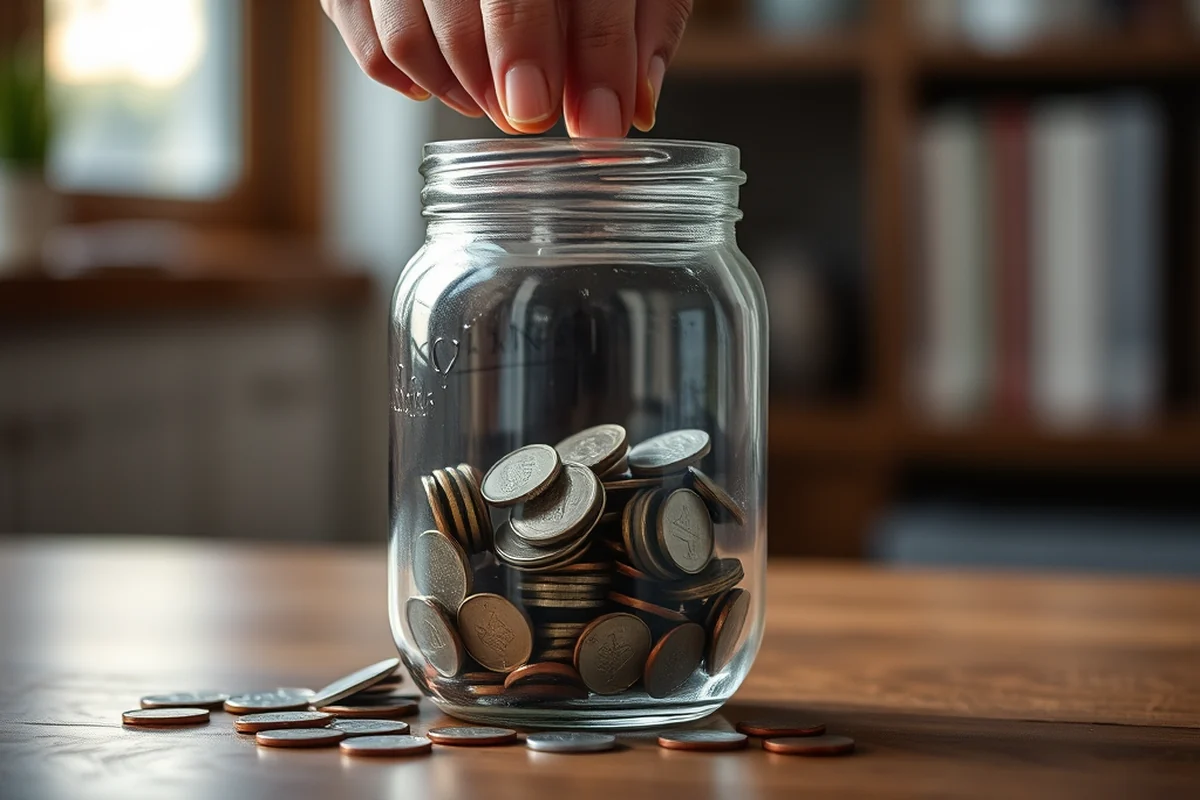
Teaching is a demanding profession, and by the end of the day, it’s easy to feel overwhelmed. Planning time gives you a moment to step away from the classroom and focus on your personal life. I used to think that my planning time was only for lesson planning, but I quickly realized that it was also a chance to take care of my financial well-being.
During my planning time, I started to track my expenses more closely. I noticed that I was spending more on things I didn’t need, like takeout and impulse purchases. Once I became aware of these habits, I made a conscious effort to cut back and save more. It was a small change, but it had a big impact on my overall financial picture.
The beauty of using planning time for personal finance is that it’s already built into your schedule. You don’t have to find extra time—you just have to make the most of what you have. I’ve found that even 10 minutes a week can help you stay on top of your money and reduce stress.[3]
Planning time is the unsung hero of teacher productivity.
Related: Degree planner osu
How to Use Planning Time for Financial Planning
I started using my planning time to review my budget and track my spending. I would sit down with my planner and go through my expenses for the week. I noticed that I was overspending on things like coffee and dining out. Once I became aware of these habits, I made a plan to cut back and save more.
Setting specific financial goals during your planning time is another great way to stay on track. I set a goal to save $200 a month by cutting back on unnecessary expenses. It was challenging at first, but by the end of the month, I had met my goal and felt proud of myself.[4]
By using my planning time for financial planning, I’ve been able to reduce my stress and build a more secure financial future. I’ve learned that even small changes can have a big impact when you’re consistent and intentional.
Set a specific goal for each week, such as saving $50 or paying down a credit card by 10%. This will help you stay focused and make progress toward your larger financial goals.
“I still remember the first time I tried to plan my personal finances while juggling my teaching responsibilities.”— Financial Planning for Teachers editors
Related: What is planning period for teachers
The Benefits of Using Planning Time for Finance
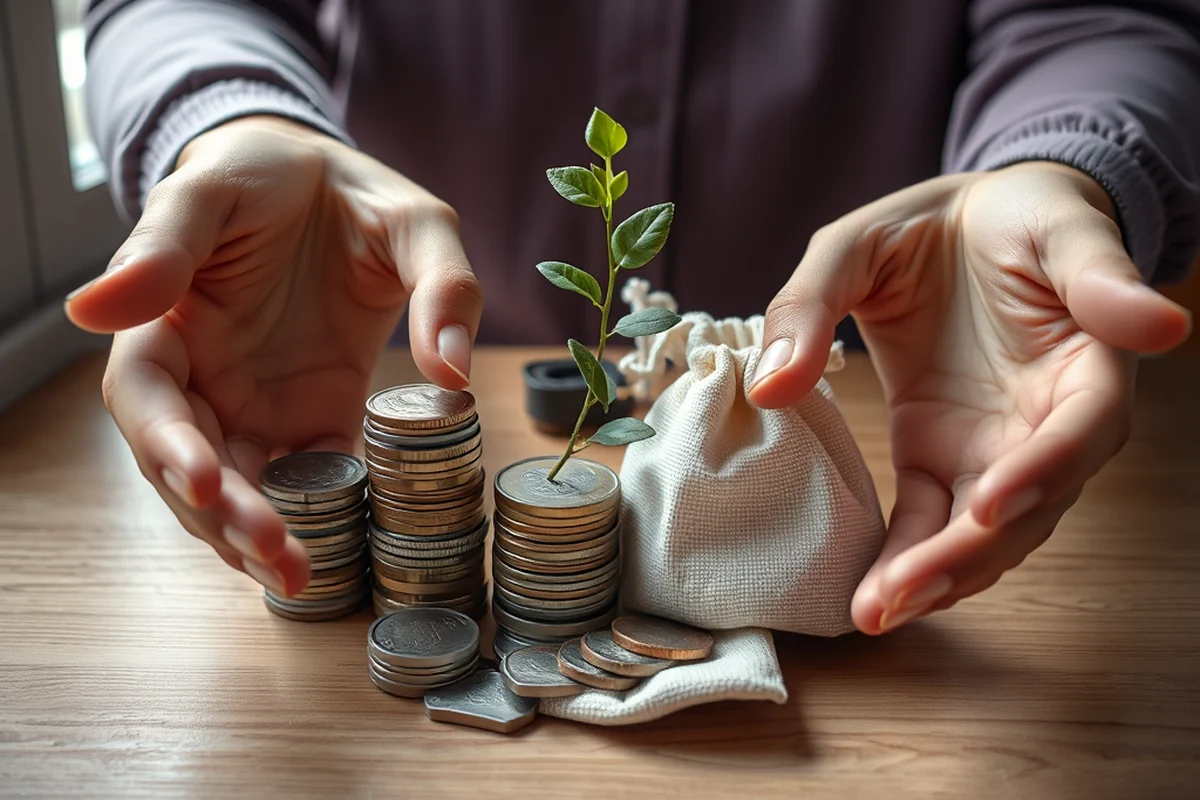
I used to feel like I had no time to manage my finances. But once I started using my planning time for this, I realized how much I could accomplish. I was able to save more money, reduce my debt, and feel more in control of my financial future.
One of the biggest benefits of using your planning time for finance is that it helps you stay on top of your money. I used to forget about my credit card payments or miss a bill, but now I review my accounts weekly and make sure everything is in order.
By using your planning time for personal finance, you’re making a long-term investment in yourself. I’ve found that even small changes can have a big impact over time. I’ve saved thousands of dollars just by being consistent and intentional with my money.
Related: Collaborative planning teachers
How to Stay Motivated During Planning Time
I used to find it hard to stay motivated during my planning time. But once I started setting small goals for myself, like saving $100 a month, I began to see progress and feel more motivated.
Celebrating your progress is another great way to stay motivated. I’ve started rewarding myself when I meet my financial goals, whether it’s a small treat or a night out with friends.
Reminding yourself of the long-term benefits of financial planning is also important. I’ve made a point to visualize my financial future and think about how the small steps I take now will pay off in the long run.
Related: Planning center university
How to Make the Most of Your Planning Time
I used to waste my planning time by getting distracted and not making progress. But once I started being intentional with my time, I was able to make real changes in my financial life.
Staying organized is another key to making the most of your planning time. I started keeping a financial planner and using it to track my expenses, set goals, and review my progress. It helped me stay on track and see how far I’d come.
By being focused on your financial goals, you can make the most of your planning time. I’ve found that even small changes, like cutting back on unnecessary expenses, can have a big impact on your financial future.
Intentionality during planning time leads to long-term financial success.
Related: Buckeye degree planner
How Planning Time Helps Teachers Avoid Financial Stress
I used to feel a lot of stress about my finances. I would worry about paying bills, saving for the future, and making ends meet. But once I started using my planning time for personal finance, I felt more in control and less stressed.
By staying on top of my money, I’ve been able to avoid financial surprises. I used to be caught off guard by unexpected expenses, but now I track my spending and budget regularly.
Using your planning time for personal finance is a powerful way to reduce stress and build financial security. I’ve learned that even small changes can make a big difference in your overall well-being.
💰 Budget-Friendly Planning
Use your planning time to focus on trimming expenses and building an emergency fund, even with a tight budget.
🚀 Aggressive Payoff Strategy
Use your planning time to accelerate debt repayment and invest aggressively in your future.
📊 Irregular Income Planning
Use your planning time to manage finances when your income isn’t steady, like during summer breaks or contract work.
🤝 Couple’s Financial Planning
Use your planning time to align your financial goals with your partner and build a shared future.
📖 Beginner’s Planning
Use your planning time to learn the basics of personal finance and set small, achievable goals.
| The mistake | Why it happens | The fix |
|---|---|---|
| Ignoring your financial planning during planning time | This leads to financial stress and poor money management over time. | Make it a habit to review your finances, even if it’s just 5 minutes a week. |
| Not having a clear goal for your planning time | This can lead to wasted time and no progress toward your financial goals. | Set a specific goal, like saving $100 a month or paying down a credit card. |
| Getting distracted and not making progress | This can leave you feeling frustrated and demotivated. | Create a checklist of tasks to complete during your planning time to stay focused and on track. |
| Thinking that planning time is only for work-related tasks | This can prevent you from using your time effectively for both your professional and personal goals. | Use your planning time to review your finances, set goals, and make progress toward your long-term financial future. |
What Is Planning Time For Teachers
Common Questions
How can I use my planning time for personal finance without feeling overwhelmed?
What if I have a busy week and don’t have time for planning?
How do I stay motivated to use my planning time for finance?
Can I use my planning time for both work and personal finance?
References
- Creating a personal budget - Oregon Division of Financial Regulation (dfr.oregon.gov)
- Leadership Framework Assistant Principals - | dcps (dcps.dc.gov)
- Teacher Professional Development: - ERIC (files.eric.ed.gov)
- Impact of financial literacy, mental budgeting and self control ... - PMC (pmc.ncbi.nlm.nih.gov)
Cite this guide
Financial Planning for Teachers (2026). What Is Planning Time For Teachers. https://classbudget.com/what-is-planning-time-for-teachers/
Feel free to cite or share this guide.
Teacher Summer Pay Stretch
Calculates per-paycheck set-aside for teachers paid over 10 months to cover summer.
Open it free →