
What Is Planning Period For Teachers
📖 Table of Contents
- What Exactly Is a Planning Period?
- The Hidden Financial Benefits of Planning Periods
- How to Maximize Your Planning Period for Financial Planning
- Why Teachers Should Treat Their Planning Period Like a Financial Meeting
- The Impact of a Structured Planning Period on Financial Habits
- How to Turn Your Planning Period into a Financial Planning Routine
- The Long-Term Financial Benefits of Using Your Planning Period
- Make It Your Way
- Frequently Asked Questions
As a teacher, I used to dread the idea of planning periods — not because of the work itself, but because of the confusion around what they actually were. It wasn’t until I started tracking my own time and breaking down the day-to-day of my job that I realized how crucial those periods are for both teaching and, oddly enough, personal finance. Planning periods are more than just a break; they’re a chance to organize, reflect, and set priorities — a skill that extends far beyond the classroom.
During one particularly chaotic week, I tried to squeeze in lesson planning during lunch breaks and after school hours. It didn’t work. My energy was low, my focus was scattered, and I was constantly rushing. That’s when I realized that planning periods are not just for teachers to prepare for the next day — they’re a strategic time to reset, plan, and align your professional and personal goals. For someone managing a salary that’s often lower than expected, that reset can be the difference between financial stability and stress.
What I learned during that time was that planning periods are a unique and underutilized resource for teachers. They can be a lifeline for managing not just lesson plans but also personal finances, especially when you’re juggling multiple responsibilities. I started using my planning period to budget, set savings goals, and track my expenses — and it transformed the way I thought about money. Now, I want to share how that same planning period can be a powerful tool for you too.
Why You'll Love This Approach to Planning Periods
- Use your planning period to align your professional and financial goals
- Track expenses and budget more effectively with a structured time every day
- Reduce stress by creating a financial plan as part of your daily routine
- Gain clarity on your priorities and how to allocate your time and money
What Exactly Is a Planning Period?
As of September 2026, in most schools, a planning period is a specific block of time when teachers are not teaching students. It can be in the morning, during lunch, or after school — depending on the school’s schedule. This time is meant for lesson planning, grading, and other administrative tasks. However, many teachers also use this time to handle personal matters, including managing their finances. It’s a rare opportunity to have uninterrupted time for self-reflection and planning.
I remember one time when I tried to do all my lesson planning and grading in the evenings after work. It was exhausting, and I was always running late. When I started using my planning period for these tasks, I noticed that I was more efficient and had more energy to focus on other things — including my personal finances. It was during that time that I began setting financial goals, like saving for a vacation or paying down student debt.
The beauty of a planning period is that it’s a built-in time to step away from the chaos of teaching and focus on what really matters. Whether it’s preparing for the next day or managing your money, this time can be a game-changer if you use it wisely.
Take 10 minutes at the start of your planning period to review your budget and goals. This small ritual can help you stay on track with your finances.
The Hidden Financial Benefits of Planning Periods
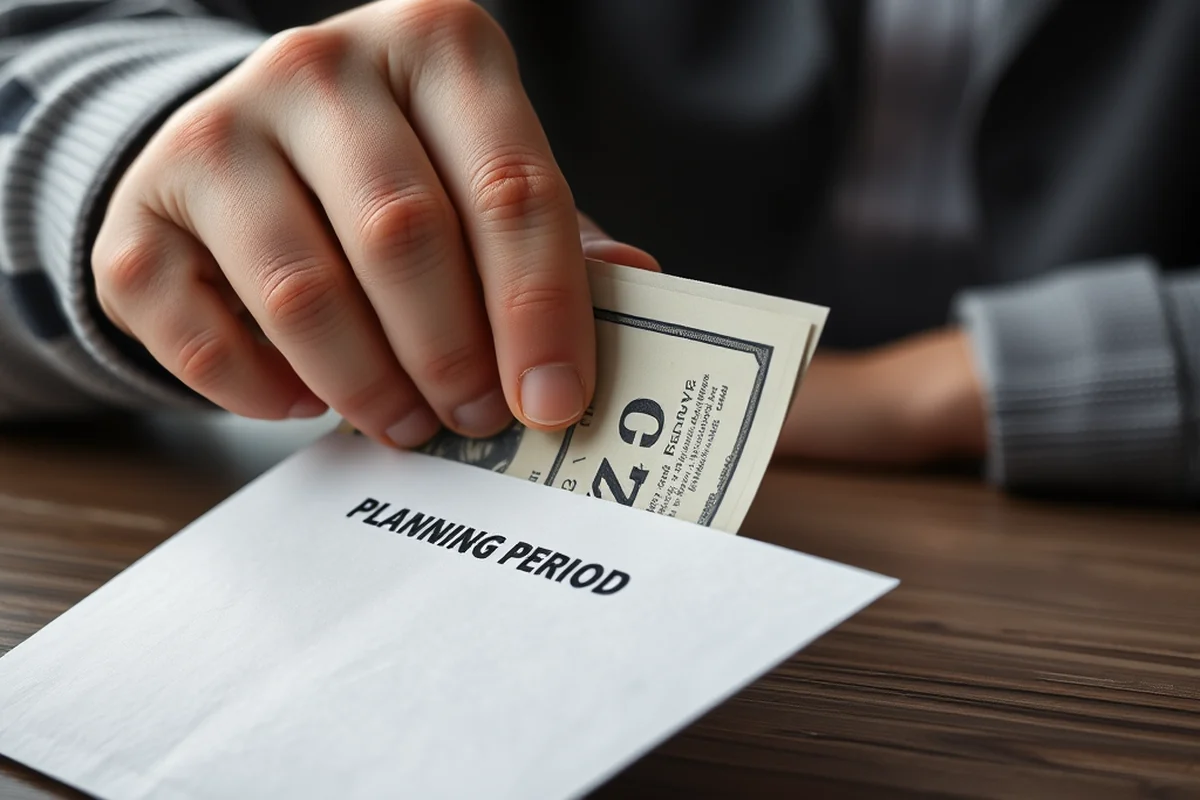
I used to think of my planning period as just a way to prepare for the day. But once I started using it to check my bank account, track my spending, and plan my budget, I realized how much more valuable it was. I was able to identify areas where I was overspending and make adjustments. This small change had a huge impact on my financial health.
The key is to treat your planning period like a financial checkpoint. Just like you plan your lessons, you should plan your money. I started by setting aside 15 minutes each week to review my finances, and it helped me stay consistent with my financial goals. Over time, this habit helped me build more savings and reduce debt.[1]
The biggest benefit I found was the reduction in financial stress. Knowing that I had a dedicated time to manage my money every week gave me a sense of control and peace of mind. It was like having a built-in financial advisor in my schedule.
Your planning period can be your most powerful financial tool if you use it right.
Related: What is myhomework student planner
How to Maximize Your Planning Period for Financial Planning
I started by creating a simple checklist for my planning period that included things like reviewing my budget, checking my bank account, and planning for the week ahead. It helped me stay focused and ensured that I didn’t miss any important financial tasks. Over time, I found that this routine made managing my money much easier.
One of the things I did was set up automatic transfers to my savings account every week. This way, I was always putting money aside without having to think about it. It was a small change, but it had a big impact on my savings goals. I also started using my planning period to plan for upcoming expenses, like rent or bills, so I was always prepared.
By the end of the first month, I was already seeing results. I had more money in my savings account, and I was making better financial decisions. It wasn’t just about managing my money — it was about creating a habit that I could maintain long-term.
Use your planning period to check your budget, set up automatic savings, and plan for upcoming expenses. This will help you stay on track with your financial goals.
“As a teacher, I used to dread the idea of planning periods — not because of the work itself, but because of the confusion around…”— Financial Planning for Teachers editors
Related: What is a lesson planner
Why Teachers Should Treat Their Planning Period Like a Financial Meeting
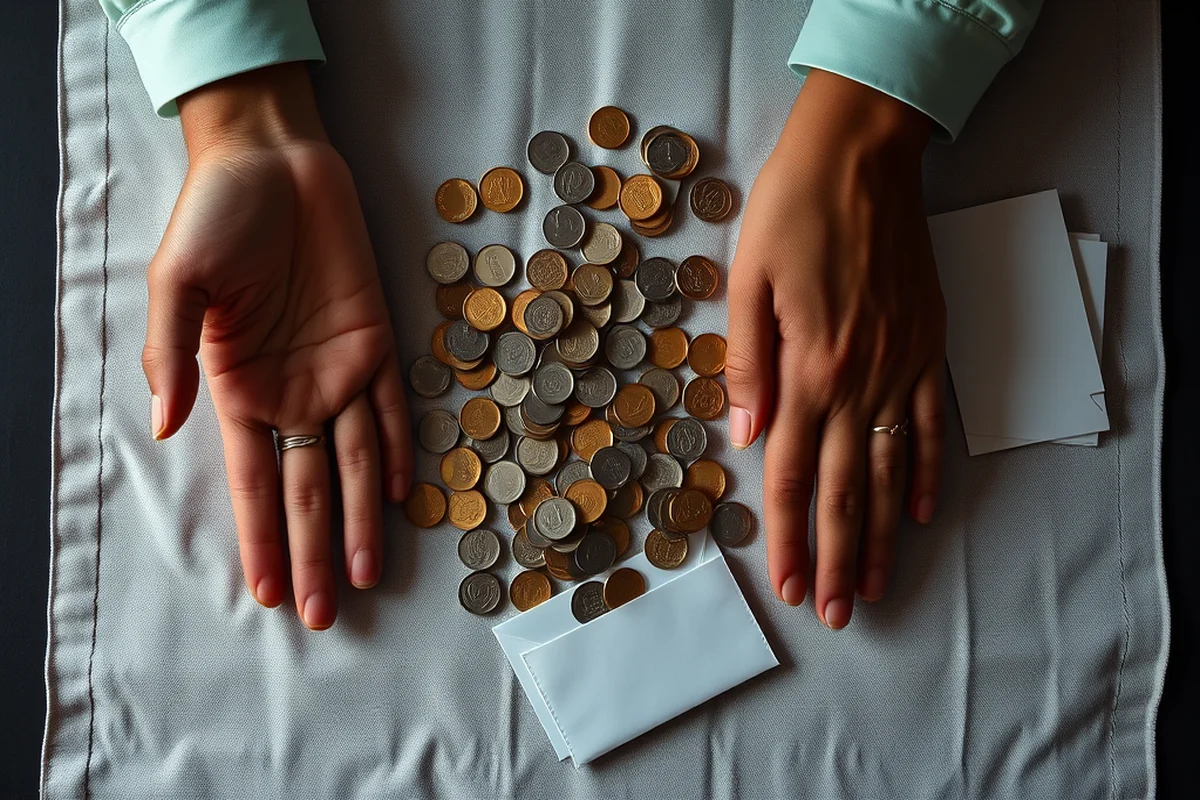
I used to think of my planning period as just a time to prepare for the next day. But when I started treating it like a financial meeting, it changed everything. I would sit down with my budget, my savings goals, and my upcoming expenses, just like I would in a meeting with my financial advisor. It helped me stay focused and made managing my money much easier.
I started using a simple spreadsheet to track my expenses and savings. It was a tool that I could refer to during my planning period, and it helped me stay on top of my finances. I also began setting specific financial goals for each month, and it gave me a sense of direction and purpose.
Over time, I found that treating my planning period like a financial meeting helped me stay consistent with my habits. It wasn’t just about managing my money — it was about creating a routine that I could follow and build on.
Related: What is a student planner
The Impact of a Structured Planning Period on Financial Habits
I started using my planning period to track my spending and set financial goals. It wasn’t long before I noticed that I was making better financial decisions. I was more aware of where my money was going, and I was able to make changes that helped me save more.
One of the most significant changes I made was setting up automatic transfers to my savings account. This way, I was always putting money aside without having to think about it. It was a small change, but it had a big impact on my savings goals. I also started budgeting more effectively, which helped me reduce debt and increase my savings.
The biggest benefit I found was the long-term impact on my financial habits. By using my planning period to stay on track with my goals, I was able to build a stronger financial foundation. It wasn’t just about managing my money — it was about creating a habit that I could maintain for years to come.
Related: College planner pro
How to Turn Your Planning Period into a Financial Planning Routine
I started by setting up a simple financial planning routine during my planning period. It included checking my budget, reviewing my expenses, and planning for the week ahead. This helped me stay consistent and ensured that I didn’t miss any important financial tasks.
One of the things I did was set up automatic transfers to my savings account. This way, I was always putting money aside without having to think about it. It was a small change, but it had a big impact on my savings goals. I also started using my planning period to plan for upcoming expenses, like rent or bills, so I was always prepared.
Over time, I found that this routine helped me stay on track with my financial goals. It wasn’t just about managing my money — it was about creating a habit that I could maintain long-term.
Consistency is key when it comes to financial planning during your planning period.
Related: What is a planner book
The Long-Term Financial Benefits of Using Your Planning Period
I used to think of my planning period as just a time to prepare for the next day. But once I started using it to manage my finances, I noticed a huge difference in my long-term financial stability. I was able to save more, pay down debt, and make better financial decisions.
💰 Budget-Friendly Planning
Use your planning period to track expenses and set small savings goals without spending extra.
🚀 Aggressive Payoff Strategy
Use your planning period to prioritize debt payoff and accelerate your financial goals.
📊 Irregular Income Planner
Leverage your planning period to adjust your budget and plan for irregular income flows.
👫 Couples' Financial Sync
Use your planning period to align your financial goals with a partner and manage joint expenses.
🧭 Beginner’s Planning Routine
Start with simple financial planning during your planning period to build a foundation for future success.
| The mistake | Why it happens | The fix |
|---|---|---|
| Not using your planning period for financial planning | This is a missed opportunity to manage your finances and build better habits. Without using your planning period, you may struggle to stay on track with your goals. | Set aside a specific time during your planning period to review your finances and make adjustments as needed. |
| Trying to do too much during your planning period | Trying to handle too many tasks at once can lead to burnout and make it harder to focus on your financial goals. | Prioritize your financial tasks and focus on one or two key areas during your planning period. |
| Ignoring your financial goals during your planning period | Failing to review your financial goals can lead to missed opportunities and financial stress. | Make it a habit to review your financial goals regularly and adjust your plan as needed. |
| Not setting up a structured routine | Without a structured routine, it’s easy to fall off track with your financial planning and miss important tasks. | Create a simple checklist for your planning period that includes financial tasks and goals. This will help you stay consistent and focused. |
What Is Planning Period For Teachers
Common Questions
How can I use my planning period to manage my finances?
What are the benefits of using my planning period for financial planning?
How long should I spend on financial planning during my planning period?
What tools can I use to track my finances during my planning period?
References
- Managing Large-Scale Security Events: (bja.ojp.gov)
Cite this guide
Financial Planning for Teachers (2026). What Is Planning Period For Teachers. https://classbudget.com/what-is-planning-period-for-teachers/
Feel free to cite or share this guide.