
Planner Teachers

📖 Table of Contents
Planner teachers are educators who integrate planning tools and systems into their teaching practice to enhance organization, productivity, and student outcomes. Whether using digital or analog planners, these educators prioritize structure and efficiency to manage their workload and inspire their students.
From aligning lesson plans to tracking student progress, planner teachers use a variety of tools and strategies to stay on top of their responsibilities. This guide explores the concept of planner teachers, their tools, techniques, and how they apply these methods across different educational settings.
Whether you're a new teacher looking to streamline your workflow or an experienced educator seeking to refine your planning process, this definitive hub covers everything you need to know about being a planner teacher. We'll break down key sub-topics, offer actionable advice, and help you stay ahead in the classroom.
Key Takeaways
- Planner teachers use structured systems to manage their teaching workload and improve student outcomes.
- Effective planning tools range from digital apps like Google Sheets to physical planners like the Happy Planner.
- Lesson planning is a core part of a teacher's job, and using a guide or template can significantly improve efficiency.
- Personalizing your planner with decorations or themes can boost motivation and creativity in both teachers and students.
Teachers Planning
As of August 2026, Teachers planning is the foundation of a successful classroom. It involves organizing lesson content, aligning with curriculum standards, and setting clear objectives for each class. Effective planning ensures that teachers can deliver content consistently and adapt to student needs in real-time.[1]
A well-structured planning process includes setting weekly goals, allocating time for assessments, and incorporating student feedback. For example, a middle school teacher might use a digital planner to track assignments, deadlines, and student progress across multiple subjects.
According to a 2023 survey by the National Education Association, 78% of teachers who used structured planning tools reported feeling more prepared and confident in their lessons. This highlights the importance of planning in reducing stress and increasing instructional effectiveness.[2]
In this guide:
Part of our More planner teachers guide.
Happy Planner
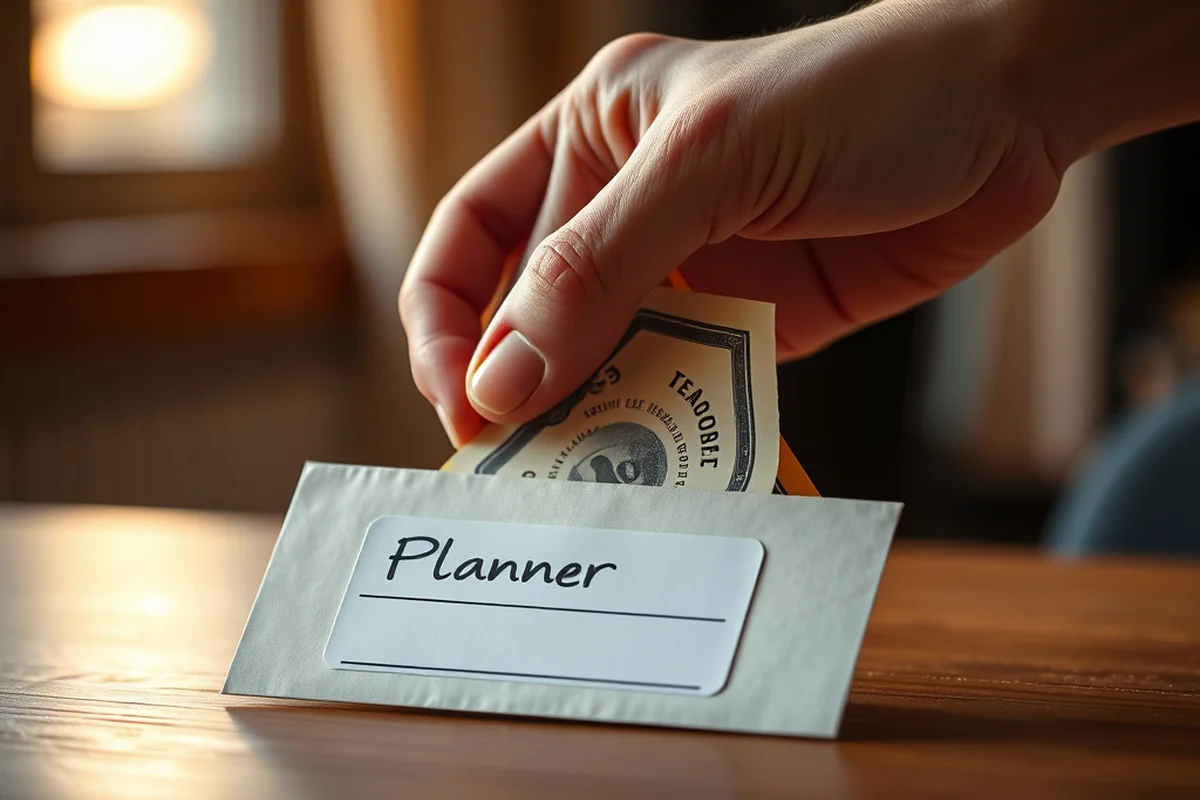
The Happy Planner is a widely used analog planning tool that combines functionality with aesthetic appeal. It's especially popular among teachers who appreciate the ability to customize their planner with stickers, washi tape, and other decorative elements.
Teachers who use the Happy Planner often find it beneficial for both personal and professional planning. It allows them to track both classroom tasks and personal goals, such as health, fitness, and professional development.
The 2026 edition of the Happy Planner includes features specifically tailored for educators, such as customizable lesson plan templates and student behavior trackers. This makes it a versatile tool for teachers who want to stay organized and inspired.[3]
Related: Planning Jobs
Related: How Long Do Teachers Spend Planning
Related: Teacher Planning Checklist
Related: Natural Family Planning Teachers Association Fertility Awareness
Related: Teachers Planning App
Lesson Plan
A lesson plan is the blueprint of a successful class. It includes learning objectives, teaching methods, materials needed, and assessment strategies. Teachers use lesson plans to ensure that their classes are structured, engaging, and aligned with curriculum standards.
Effective lesson plans often follow a standard format, such as the 5E model (Engage, Explore, Explain, Elaborate, Evaluate) or the direct instruction model. These frameworks help teachers deliver content in a logical and effective sequence.
According to a 2022 study by the Journal of Educational Research, teachers who used detailed lesson plan guides reported a 30% increase in student engagement and a 25% improvement in test scores. This underscores the importance of well-crafted lesson plans in enhancing student learning.[4]
“Planner teachers are educators who integrate planning tools and systems into their teaching practice to enhance organization, productivity, and student out”— Financial Planning for Teachers editors
Planner Decoration

Planner decoration is more than just making your planner look nice—it's a way to boost your motivation and creativity. Teachers often use washi tape, stickers, and colored pens to make their planners more visually engaging and easier to navigate.
Personalizing your planner can also help you stay focused and inspired. For example, adding a motivational quote or a themed background can make your planning sessions more enjoyable and productive.
Many teacher communities share planner decoration ideas on social media platforms like Pinterest and Instagram. These shared resources have led to the rise of 'teacher planner aesthetics,' where teachers compete to create the most visually stunning and organized planners.
Plan Teachers
Plan teachers are educators who rely on systematic planning to stay organized and effective in the classroom. They use a variety of planning tools, from digital apps to physical planners, to manage their workload and ensure quality instruction.
These teachers often integrate planning into their daily routines, using tools like Google Sheets or Microsoft Excel to track student progress, manage classroom tasks, and set goals for both themselves and their students.
One example is a high school teacher who uses Google Sheets to create a centralized planning system that syncs with all department members. This ensures that everyone is aligned and that student needs are consistently met.
High School
High school teachers face unique challenges, including managing diverse student needs, preparing students for college, and aligning with state standards. Effective planning tools help them stay organized and focused on long-term educational goals.
In Australia, high school teachers often use digital platforms like Seesaw and Google Classroom to plan lessons, assign tasks, and monitor student progress. These tools make it easier to track student performance and provide timely feedback.
A 2023 survey by the Australian Council for Educational Research found that 65% of high school teachers who used digital planners reported improved student outcomes and more efficient classroom management.[5]
Template Pdf
A Template Pdf for planner teachers is a downloadable, self-contained document that offers a clear and organized layout for creating lesson plans, budgeting activities, and financial education materials. It typically includes sections for objectives, activities, resources, and assessments, making it easy for educators to plan and deliver effective personal finance lessons.
Using a Template Pdf ensures consistency across different classes and helps new teachers quickly get up to speed with curriculum standards and best practices in financial literacy education. These templates can be customized to fit the needs of various grade levels and learning environments, from high school to adult education programs.
Many free and premium Template Pdfs are available online, often accompanied by supplementary materials such as worksheets, case studies, and interactive exercises. These resources are invaluable for educators looking to enhance student engagement and improve financial literacy outcomes.
Planner Google
A Planner Google approach leverages Google’s suite of productivity tools to streamline the planning, collaboration, and delivery of personal finance education. Educators can use Google Docs for lesson planning, Google Sheets for tracking student progress, and Google Slides for creating interactive presentations and visual aids.
This method supports real-time collaboration, allowing teachers and students to work together on projects, share ideas, and access materials from any device with internet access. It also facilitates easy updates and version control, ensuring that all stakeholders have access to the most current information.
Incorporating Planner Google into financial education also opens the door to integrating technology and digital literacy skills into the curriculum, preparing students for real-world financial management in a digital age.
Planner Horizontal
Planner Horizontal refers to the use of a landscape-oriented layout in personal finance planning materials, such as lesson plans, budgeting worksheets, and visual aids. This format allows for more detailed content, charts, and diagrams to be displayed clearly and effectively.
Horizontal layouts are particularly useful for activities that involve comparing financial products, visualizing savings goals, or analyzing investment portfolios. They provide more space for interactive elements, making them ideal for group work and classroom discussions.
Educators who adopt Planner Horizontal often find that it enhances student engagement and comprehension, especially when dealing with complex financial concepts that benefit from visual representation and comparison.
Planner Diary
A planner diary serves as a central hub for recording daily financial activities, budgeting goals, and long-term financial planning. It helps users monitor their spending habits, track income and expenses, and set realistic financial targets. Whether in paper or digital form, a planner diary ensures that users can review their financial journey and make informed decisions.
By using a planner diary, individuals can identify patterns in their spending, such as recurring expenses or areas where they may be overspending. This insight is crucial for making adjustments to stay on track with financial goals like saving for a home, building an emergency fund, or achieving retirement readiness.
The best planner diaries are customizable, allowing users to tailor them to their unique financial needs and lifestyle. They often include sections for bill reminders, investment tracking, and even motivational notes to keep users motivated throughout their financial journey.
Planner Design
Planner design focuses on the structure, color scheme, and layout of a planner to ensure it is both aesthetically pleasing and highly functional. A well-designed planner can make tracking financial goals more engaging and less overwhelming for users. It should balance visual appeal with practicality, ensuring that key information is easy to find and update.
Good planner design includes features like color-coded sections for different categories, such as income, expenses, and savings, making it easier to analyze financial data at a glance. Icons, charts, and tables can also be incorporated to provide a visual representation of financial progress and trends over time.
When designing a planner for personal finance, it's important to consider the user's preferences and goals. Some may prefer a minimalist approach, while others may appreciate more detailed layouts with multiple tracking features. A thoughtful design ensures that users can customize their planner to suit their specific needs and stay motivated in managing their finances.
Planner Goodnotes
Planner Goodnotes is a digital approach to personal finance planning using the GoodNotes app, which allows users to create, edit, and organize their planners on an iPad. This method offers flexibility, portability, and the ability to sync across devices, making it ideal for those who prefer a paperless approach to managing their finances.
With GoodNotes, users can take advantage of features like handwriting recognition, interactive templates, and the ability to add multimedia elements such as images or audio notes. These tools help in creating a more dynamic and personalized planner that can be adapted to changing financial goals and schedules.
Using GoodNotes for planner purposes also enables users to easily back up and restore their data, ensuring that their financial records are always secure. It also allows for collaboration with financial advisors or accountants, as digital planners can be shared and annotated in real time, enhancing the overall financial management experience.
Troubleshooting and Common Questions
One common issue is difficulty in tracking expenses consistently. Planner teachers can use apps or spreadsheets to automate tracking, ensuring accuracy and reducing the burden of manual entry.
Another frequent question is how to balance budgeting with unexpected expenses. A good approach is to allocate a small emergency fund within the budget, allowing flexibility without derailing long-term goals.
Many planner teachers struggle with prioritizing financial goals. Setting SMART (Specific, Measurable, Achievable, Relevant, Time-bound) goals can help maintain focus and provide clear direction for financial planning efforts.
Getting Started: Your First Steps
The first step is to assess your current financial situation by listing all income sources, expenses, and debts. This creates a clear picture of where you stand financially and helps identify areas for improvement.
Next, set realistic financial goals, both short-term and long-term. Aligning these goals with your values and lifestyle ensures they are meaningful and motivating.
Finally, choose a budgeting method that suits your lifestyle, such as the 50/30/20 rule or zero-based budgeting. Start small, track your progress, and adjust as needed to build sustainable financial habits.
🌱 Beginner
The simplest version — minimal supplies, quick win.
💰 Budget
Same result using what you already have.
⚡ Quick
The 10-minute version for busy days.
✨ Advanced
The upgraded version once the basics stick.
| The mistake | Why it happens | The fix |
|---|---|---|
| Using a planner without a clear structure or system. | A disorganized planner can lead to missed deadlines, inconsistent lesson delivery, and increased stress for teachers. | Use templates, digital tools, or predefined systems like the 5E model to ensure your planner is structured and effective. |
| Ignoring student feedback in lesson planning. | Neglecting student input can result in lessons that are not engaging or relevant to the class, reducing student participation and learning outcomes. | Incorporate student feedback regularly by using surveys or informal check-ins to adjust lesson plans and improve classroom engagement. |
| Over-decorating a planner to the point of distraction. | While planner decoration can be motivating, excessive use of colors, stickers, or other elements can make it harder to read and use effectively. | Balance creativity with functionality by keeping the design clean and focused on key tasks and goals. |
planner teachers
Common Questions
What is a teachers planning book?
What is the teacher happy planner 2026?
What is a teacher lesson plan guide?
What is teachers planner decoration?
Cite this guide
Financial Planning for Teachers (2026). Planner Teachers. https://classbudget.com/planner-teachers/
Feel free to cite or share this guide.
References
- A Planning Tool for Incorporating Backward Design, Active Learning ... (acsouth.edu)
- PLN ACTION PLANNER - American English (americanenglish.state.gov)
- Get Started with Microsoft Planner (at-training.unh.edu)
- Teacher's Daily Planner — Free Download | TemplateNest (certtest.bart.gov)
- Teaching the next generation of urban planners (college.unc.edu)