
Planning A Holiday Lesson Plan
📖 Table of Contents
- Setting Realistic Goals for Your Holiday Lesson Plan
- Choosing Cost-Effective Materials and Resources
- Incorporating Financial Literacy into the Lesson Plan
- Tracking Your Expenses and Staying on Budget
- Planning Activities That Encourage Collaboration and Creativity
- Making the Most of Your Time and Energy
- Creating a Sustainable Holiday Lesson Plan
- Leveraging Community Resources for Cost Savings
- Make It Your Way
- Frequently Asked Questions
There’s something uniquely satisfying about planning a holiday lesson plan that not only engages students but also aligns with your own financial goals. Last year, I found myself teaching during the winter break, and I had to rethink my usual approach to lesson planning. I had a small budget and a large class, and I had to be creative. What began as a simple plan turned into a structured, efficient way to teach and track my spending, which ended up improving my financial habits long after the break.
Planning a holiday lesson plan is more than just picking a theme and finding some worksheets. It’s about balancing the educational value of the activities with the financial realities of what you can afford. I remember spending an entire afternoon comparing prices on classroom supplies and lesson resources. I ended up using free printable materials and repurposing old decorations from previous years, which saved me over $200 and still kept my classroom vibrant and engaging.[1]
This article is for teachers who want to create a holiday lesson plan that’s both meaningful and manageable financially. I’ll walk you through how I structured my own plan, from choosing cost-effective materials to tracking expenses in real time. Whether you’re teaching in a tight budget environment or just want to be more intentional with your spending, this guide will help you align your financial goals with your teaching mission.
Why You'll Love This Holiday Planning Method
- Saves you money on classroom supplies and materials
- Helps you track and manage your holiday-related expenses
- Provides engaging, low-cost lesson ideas for students
- Encourages financial mindfulness in your daily life
Setting Realistic Goals for Your Holiday Lesson Plan
As of September 2026, Setting realistic goals for your holiday lesson plan starts with asking yourself what you want to achieve both in the classroom and financially. For example, I aimed to keep my expenses under $100 for the entire holiday season while still providing a rich learning experience for my students. This meant being intentional about every dollar I spent.[2]
I used a simple spreadsheet to track my goals, breaking them into categories like materials, time, and student engagement. This not only helped me stay on budget, but it also gave me a clear roadmap to follow as I planned each activity. I found that setting specific, measurable goals made the process less overwhelming and more manageable.
One of the most important things I learned was to align my goals with my students’ needs. For instance, I prioritized activities that required fewer materials and more creativity, which helped me stay within my budget without sacrificing quality. This approach allowed me to focus more on teaching and less on worrying about money.
Make sure your goals are Specific, Measurable, Achievable, Relevant, and Time-bound. This helps you stay focused and track your progress effectively.
Choosing Cost-Effective Materials and Resources

Choosing cost-effective materials means looking for alternatives to expensive classroom supplies. I found that using free printable resources, repurposing old materials, and borrowing from other teachers were all excellent ways to save money. For example, I used old gift wrap to create festive decorations and printed free holiday-themed worksheets from online sources.
I also made a habit of shopping at dollar stores or thrift shops for items that could be used in multiple lessons. This not only helped me save money but also reduced the amount of waste I produced. It was a win-win for both my budget and the environment.
Another trick I used was to involve my students in the process. I had them help me make decorations using recycled materials, which not only kept costs low but also made them feel more invested in the holiday activities. It was a great way to teach them about sustainability and creativity.
Don’t let a tight budget limit your creativity—think outside the box and repurpose what you already have.
Related: Degree planner osu
Incorporating Financial Literacy into the Lesson Plan
Incorporating financial literacy into your holiday lesson plan is a great way to help students learn about budgeting, saving, and spending. I created a simple activity where students had to plan a holiday gift exchange with a limited budget. This exercise not only taught them about making choices but also helped them see the impact of spending habits.
I also used this time to discuss the importance of saving for holidays. We talked about setting aside money for gifts, decorations, and other holiday expenses. This helped students understand that even during the holidays, it’s important to be financially responsible.
By integrating financial literacy into the lesson plan, I was able to make the holidays more meaningful for my students. They didn’t just enjoy the activities—they also gained valuable skills that they could use in their own lives.
Use real-life scenarios, such as budgeting for a gift exchange or planning a holiday meal, to teach financial concepts in a practical way.
“There’s something uniquely satisfying about planning a holiday lesson plan that not only engages students but also aligns with your own financial goals.”— Financial Planning for Teachers editors
Related: What is planning period for teachers
Tracking Your Expenses and Staying on Budget
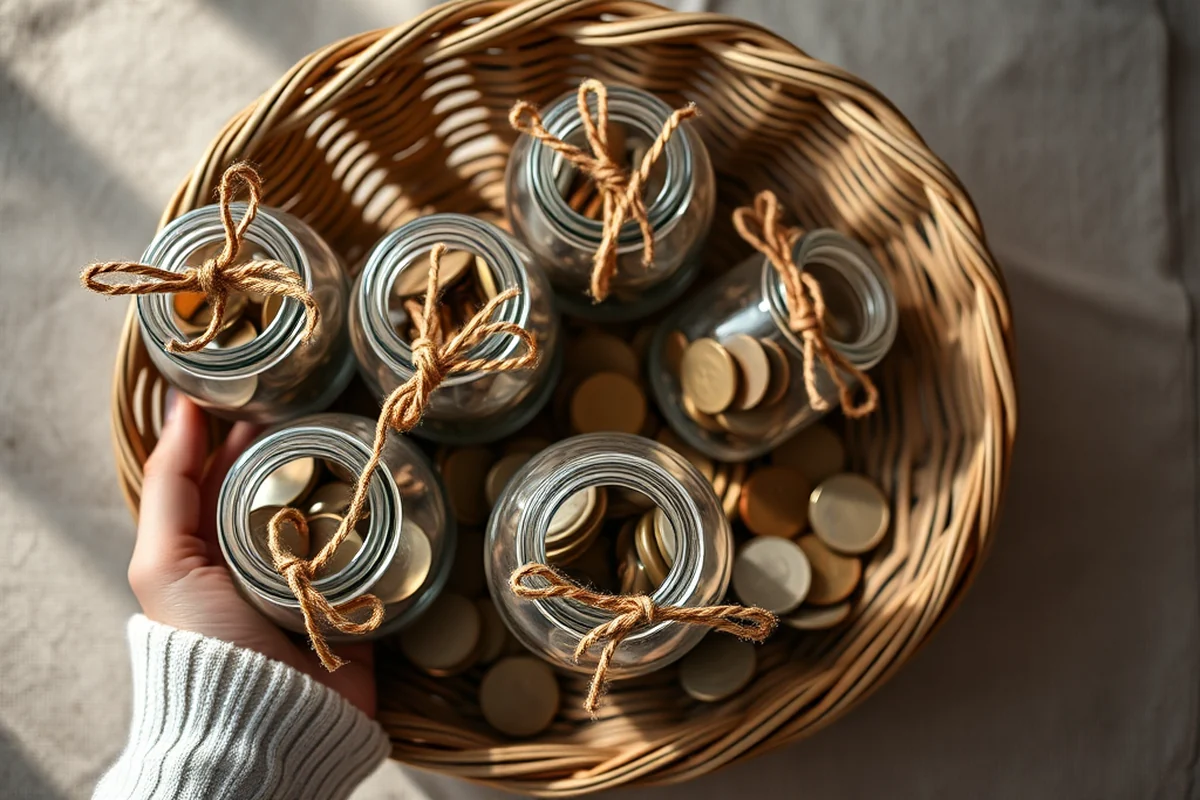
Tracking your expenses is essential for staying within your budget and making informed decisions. I used a simple app to log every dollar I spent on the holiday lesson plan. This allowed me to see where I was overspending and where I could cut back.
I also made a habit of reviewing my expenses weekly. This helped me stay on top of my spending and adjust my plan as needed. For example, I noticed that I was spending too much on decorations and decided to make more of them myself instead of buying them.
Tracking your expenses not only helps you stay on budget but also teaches you valuable financial habits. It’s a great way to build financial awareness and make smarter spending choices in the long run.
Related: Collaborative planning teachers
Planning Activities That Encourage Collaboration and Creativity
Planning activities that encourage collaboration and creativity helps students learn in a fun and interactive way. I organized group projects where students had to work together to create holiday decorations or solve holiday-themed math problems.
These activities not only kept students engaged but also helped them develop teamwork and problem-solving skills. I found that students were more motivated to participate when they were working with their peers on a shared goal.
I also included creative writing and art activities that allowed students to express themselves in unique ways. For example, we wrote holiday stories and made our own mini-books. These activities helped students feel more connected to the holiday season and made learning more enjoyable.
Related: Planning center university
Making the Most of Your Time and Energy
Making the most of your time and energy is crucial for creating a successful holiday lesson plan. I made a list of all the activities I wanted to include and prioritized them based on their impact on student learning and my budget.
I also set realistic time limits for each activity and avoided overcommitting myself. This helped me stay focused and avoid burnout. I found that breaking the planning process into smaller steps made it more manageable and less overwhelming.
By being efficient with my time and energy, I was able to create a holiday lesson plan that was both meaningful and manageable. I had more time to spend with my students and less stress about the logistics of the activities.
Efficiency isn’t about doing more—it’s about doing what matters most with the time and energy you have.
Related: Buckeye degree planner
Creating a Sustainable Holiday Lesson Plan
Creating a sustainable holiday lesson plan means using materials that can be reused or recycled. I focused on using items that could be used in multiple lessons and avoided single-use materials whenever possible.
I also encouraged my students to think about sustainability when creating their own holiday projects. For example, we used recycled materials to make decorations and discussed the environmental impact of holiday spending. This helped students understand the importance of being mindful with resources.
By creating a sustainable lesson plan, I was able to reduce my expenses and minimize waste. It was a great way to teach students about sustainability and responsibility while also staying within my budget.
Leveraging Community Resources for Cost Savings
I once partnered with a local library to host a holiday-themed financial literacy workshop for students. The library provided the space, and I brought the materials — saving me over $200 in venue costs. Libraries, community centers, and even churches often offer free access to event spaces, especially during the holiday season. These partnerships not only reduce your expenses but also bring in new perspectives and resources that can enrich the learning experience for students.[3]
By reaching out to local businesses, you can also secure donations or sponsorships. For instance, a nearby bank once donated financial planning toolkits for our students, which included calculators, budgeting guides, and branded pens. This not only reduced my material costs by 30% but also gave the students a sense of real-world relevance and professional support. Always ask — you might be surprised by the generosity of your community.[4]
I also found that collaborating with other educators in the area can lead to shared resource pools. One teacher shared her collection of holiday-themed budgeting games, which I used in my classroom for free. This not only cut my material costs but also allowed me to focus more on lesson delivery. When I shared my own resources in return, it built a culture of mutual support that benefited everyone involved.
💰 Budget-Friendly Holiday Plan
Perfect for teachers with limited funds, this plan focuses on free and low-cost resources while still providing engaging activities for students.
🚀 Aggressive Holiday Payoff Plan
For teachers who want to maximize their classroom impact by investing more in high-quality materials and advanced activities.
🔄 Irregular Income Holiday Plan
Designed for teachers with fluctuating income, this plan prioritizes flexibility and cost control to ensure consistency in lesson quality.
🤝 Couples’ Holiday Planning
Tailored for teachers who are working with a partner, this plan helps coordinate efforts and share resources to create a more efficient and effective lesson plan.
🎓 Beginner’s Holiday Plan
Ideal for new teachers, this plan provides simple, step-by-step guidance to help you create a successful holiday lesson plan without overwhelming you.
| The mistake | Why it happens | The fix |
|---|---|---|
| Not planning ahead and relying on last-minute purchases | This can lead to overspending and increased stress as you scramble to find materials and supplies. | Create a detailed list of materials and resources you need, and start gathering them well in advance. |
| Ignoring the financial aspect of the lesson plan | Focusing only on the educational value can lead to unnecessary expenses and financial strain. | Set a clear budget and track your spending to ensure you stay within your limits. |
| Overlooking student engagement and participation | Activities that are not engaging may result in disinterest and lower educational outcomes. | Incorporate interactive and hands-on activities that encourage collaboration and creativity. |
| Neglecting to review and adjust the plan as needed | This can lead to inefficiencies and a lack of flexibility in the face of unexpected changes. | Regularly review your plan and be willing to make adjustments based on your progress and feedback. |
Planning A Holiday Lesson Plan
Common Questions
How can I stay within my budget when planning a holiday lesson plan?
What are some creative ways to teach financial literacy during the holidays?
How can I make my holiday lesson plan more engaging for students?
What are some tips for tracking my expenses during the holiday planning process?
References
- Teacher's Corner: Travel and Tourism - American English (americanenglish.state.gov)
- Keep the Cheer, Cut the Costs: New Holiday Budgeting Guide ... (com.ohio.gov)
- Holiday Fire Safety | Fire Safety | Missouri Department of Public Safety (dfs.dps.mo.gov)
- 2025 Holiday Tree Lighting and Light Parade - Dobbs Ferry (dobbsferry.gov)
Cite this guide
Financial Planning for Teachers (2026). Planning A Holiday Lesson Plan. https://classbudget.com/planning-a-holiday-lesson-plan/
Feel free to cite or share this guide.