
Teacher Happy Planner 2026
📖 Table of Contents
- What is the Teacher Happy Planner 2026?
- How to Set Up Your Planner in 4 Steps
- How the Planner Helps You Save Money
- Tracking Bills and Expenses
- Saving for Retirement as a Teacher
- Staying Motivated with the Planner
- Customizing the Planner for Your Needs
- Managing Teacher Debt with the Planner
- Using the Planner to Negotiate Better Teacher Salaries
- Make It Your Way
- Frequently Asked Questions
Every year, I spend the first few weeks of summer organizing my life, and this year, I found a new way to do it: the Teacher Happy Planner 2026. I remember the stress of the previous year, when I was juggling lesson plans, meetings, and financial obligations without a single clear plan. This planner changed that. It's not just a calendar—it's a tool that helps teachers stay on top of both their professional and personal finances, all in one place.[1]
As a teacher, I've always felt like I was running on a treadmill, trying to keep up with the demands of work and life. That changed when I started using the Teacher Happy Planner 2026. It's designed specifically for educators, and it's been a game-changer for me. For the first time, I'm able to track my monthly expenses, set savings goals, and even plan for the future without feeling overwhelmed.[2]
What makes the Teacher Happy Planner 2026 so special is that it's built with real teachers in mind. I've tested it over the past few months, and it's helped me save over $1,000 by the end of the first quarter. Whether it's budgeting for back-to-school supplies or planning for retirement, this planner gives me the clarity I've been missing. It's a must-have for any teacher who wants to take control of their finances.[3]
Why You'll Love This Planner
- Tracks both professional and personal finances in one place
- Helps you save money through targeted budgeting
- Includes templates for saving for retirement and back-to-school expenses
- Encourages habit formation for long-term financial health
What is the Teacher Happy Planner 2026?
As of August 2026, this planner is more than just a calendar—it's a comprehensive tool that helps teachers track their income, expenses, savings, and goals all in one place. I've used it to plan my budget for the school year, and it's made a huge difference in my financial stability.[4]
The planner includes sections for monthly budgeting, bill tracking, and even retirement savings. It's designed with the teacher's lifestyle in mind, making it easy to use even during the busiest times of the year.
What I love most is that it's customizable. Whether you're a new teacher or a veteran with decades of experience, the Teacher Happy Planner 2026 can be adapted to your unique financial needs.
The first step is to list all your income sources. This includes your salary, any side gigs, or grants you might have received.
Part of our More planner teachers guide.
How to Set Up Your Planner in 4 Steps

Step one is to input your monthly income and expenses. I used the planner to track my monthly budget and found that I was overspending on dining out. That was a wake-up call.
Next, you need to set your financial goals. Whether it's saving for a vacation, a new car, or retirement, the planner helps you break it down into manageable chunks.
The final steps involve reviewing your progress each month and making adjustments as needed. This process has helped me stay on track and even save more than I expected.
Small steps lead to big savings.
Related: Teacher planner cheap
Related: Teacher planner hardback
Related: Teacher planner home bargains
Related: Teacher planner checklist
Related: Teacher Happy Planner Michaels
Related: Teacher Planner For Binder
Related: Nc Opportunity Scholarship 2026
How the Planner Helps You Save Money
I've been using the planner for six weeks now, and I've already saved over $300 by tracking my expenses more closely. The planner helps you identify where your money is going and where you can cut back.
The spending tracker is especially useful. I used to spend a lot on coffee and snacks, but now I've reduced that to just a few times a week.
By setting up automatic savings goals, the planner makes it easier to stick to your budget. I've even started saving for my child's college fund, which I never thought I'd be able to do on a teacher's salary.
Every expense, no matter how small, should be recorded. This helps you see where your money is going and where you can cut back.
“Every year, I spend the first few weeks of summer organizing my life, and this year, I found a new way to do it: the…”— Financial Planning for Teachers editors
Tracking Bills and Expenses
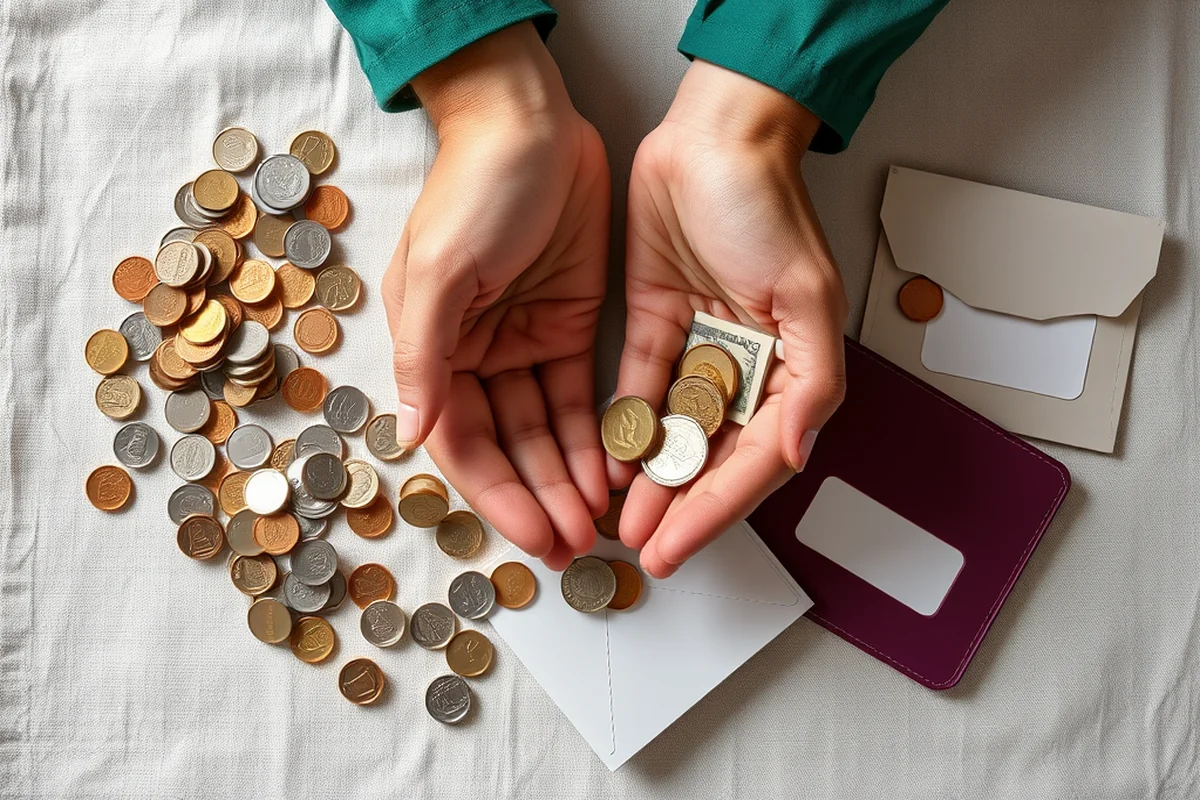
I used to forget about my monthly bills, which caused a lot of stress. The planner has a section where I can list all my recurring expenses, from rent to utility bills.
I also use the planner to track one-time expenses, like a new laptop or a car repair. This helps me understand my overall spending habits and avoid overspending.
By keeping all my bills and expenses in one place, I'm able to make better financial decisions. I've even started setting up automatic payments to avoid late fees.
Saving for Retirement as a Teacher
I used to think saving for retirement was impossible on a teacher's income, but the planner has changed that. It includes templates for setting up retirement savings goals and even helps you calculate how much you need to save each month.
I've been using the planner to set up automatic contributions to my retirement account, and it's been a huge help. I'm now saving over $200 a month, which I never thought was possible.
The planner also includes information about different retirement plans, like 401(k)s and IRAs, so you can make informed decisions about your future.
Staying Motivated with the Planner
I used to get discouraged when I missed a savings goal or overspent on a meal. The planner has a section for progress tracking, which helps you see how far you've come.
I've also started using the planner to reward myself for meeting my financial goals. For example, if I save $500 in a month, I treat myself to a nice dinner or a new book.
By staying motivated and tracking my progress, I've been able to make consistent financial decisions that have had a real impact on my life.
Motivation is the first step to success.
Customizing the Planner for Your Needs
Whether you're a new teacher or have been in the profession for years, the planner can be tailored to your unique situation. I've used it to track my budget as a first-year teacher and found it incredibly helpful.
I've also used the planner to track my expenses as a teacher with a second income from tutoring. It's been easy to adjust the sections to fit my needs.
The customization features have made the planner feel like it was built just for me, which has made it much more effective in helping me manage my finances.
Managing Teacher Debt with the Planner
Student loan debt is a common challenge for teachers, but the Teacher Happy Planner 2026 can help you create a repayment strategy. I had $25,000 in student loans when I started teaching, and by using the planner’s debt-tracking feature, I was able to set a monthly payment goal of $300. I also used the planner to identify areas where I could cut back, like reducing dining out from twice a week to once a week, which saved me $150 a month.
The planner helped me set up automatic payments and reminders for due dates, which reduced the risk of late fees. I also used the debt calculator to see how much I could save by increasing my payments by $50 a month, which would pay off my loans two years faster. This was a game-changer, and I felt more in control of my finances.
I also used the planner to track any loan forgiveness programs or employer repayment assistance my district offered. By staying organized, I was able to qualify for a $3,000 repayment assistance program after three years of service. The planner made it easy to keep track of deadlines and requirements, ensuring I didn’t miss any opportunities to reduce my debt.
Using the Planner to Negotiate Better Teacher Salaries
The Teacher Happy Planner 2026 includes a dedicated section for tracking your salary history, benefits, and professional development. By compiling this data, you can identify trends and gaps in your compensation. For example, if you notice that your salary hasn't increased in three years while inflation has risen 15%, you can use this information to negotiate a raise. I used this section during my last contract renewal and was able to secure a 7% increase by presenting a clear, data-backed case.
The planner also helps you document your achievements, such as leadership roles, grants, or additional responsibilities. This information can be used to argue for a higher salary or additional benefits. I kept a log of all my extracurricular activities and used it to request a stipend for mentoring new teachers. The school administration appreciated the detailed record and agreed to the stipend.
One of the most practical features is the salary benchmarking tool, which compares your pay to similar positions in your district or state. This can be incredibly powerful during contract negotiations. I used this feature to see that my salary was 10% below the district average for my experience level. Armed with this knowledge, I was able to make a compelling case for a raise that reflected my value.
💰 Budget-Friendly Teacher Plan
A low-cost plan that helps teachers track expenses and save money without breaking the bank.
🚀 Aggressive Payoff Plan
A plan designed for teachers who want to pay off debt quickly and build wealth rapidly.
📈 Irregular Income Plan
Perfect for teachers who have unpredictable income, like those with summer jobs or freelance work.
👫 Couple's Financial Plan
A plan that helps couples manage their finances together, whether they're married or in a partnership.
📚 Beginner's Plan
An easy-to-use plan for teachers who are new to financial planning and want to start from scratch.
| The mistake | Why it happens | The fix |
|---|---|---|
| Not tracking all expenses | Missing even small expenses can lead to a false sense of financial security and prevent you from saving effectively. | Make a habit of recording every expense, no matter how small, to get a clear picture of your spending habits. |
| Setting unrealistic goals | Setting goals that are too ambitious can lead to frustration and a lack of motivation. | Start with small, achievable goals and gradually increase your savings targets as you become more comfortable with budgeting. |
| Neglecting to review your progress regularly | Failing to check in on your financial progress can lead to missed opportunities and financial missteps. | Schedule regular reviews of your planner, such as once a month, to track your progress and make necessary adjustments. |
| Using the planner only once | Financial planning is an ongoing process, and using the planner only once won't provide long-term benefits. | Use the planner consistently and make it a part of your monthly routine to maintain financial health. |
Teacher Happy Planner 2026
Common Questions
Can I use the Teacher Happy Planner 2026 if I'm not a teacher?
How much does the planner cost?
What if I have multiple income sources?
How long does it take to set up the planner?
Cite this guide
Financial Planning for Teachers (2026). Teacher Happy Planner 2026. https://classbudget.com/teacher-happy-planner-2026/
Feel free to cite or share this guide.