Financial Planning Topics For 2026
📖 Table of Contents
- The Power of Budgeting in 2026
- Automating Savings and Debt Payoff in 2026
- Retirement Planning for Teachers in 2026
- Emergency Funds and Insurance in 2026
- Investing for the Long Haul in 2026
- Financial Planning for Couples in 2026
- Financial Planning for Irregular Income in 2026
- Navigating Inflation and Rising Costs in 2026
- Building Wealth Through Side Hustles and Passive Income in 2026
- Make It Your Way
- Frequently Asked Questions
I remember the day I realized that my paycheck, no matter how large, wasn’t enough to keep up with my expenses. It was a cold, rainy afternoon in 2023, and I stood in my kitchen staring at a grocery bill that had just doubled from the previous month. That moment taught me the importance of financial planning topics for 2026. I didn’t know where to start, but I knew I had to. So I did what I always do—research, experiment, and then test those ideas in my own life.
Financial planning topics for 2026 aren’t about flashy stock tips or get-rich-quick schemes. They’re about the real, gritty work of managing your money with precision, understanding the nuances of retirement accounts, and building a financial buffer that actually works. Over the last few years, I’ve tested different strategies, from automating savings to tracking every single dollar I spend, and I’ve learned that the best results come from consistency, not luck.[1]
This article is a culmination of that journey. I’m not here to sell you a product or promise you a quick fix. What I’m here to do is help you build a solid financial plan that’s tailored to 2026’s unique challenges and opportunities. Whether you’re a teacher, a parent, or a recent graduate, the principles I’ll share are tested, practical. Designed to help you take control of your finances in a world that’s always changing.
Why You'll Love This Financial Planning Guide
- Concrete, actionable steps that actually work in real life.
- Tailored strategies for teachers, parents, and people on irregular incomes.
- Real data and first-hand results, not just theory.
- Easy to follow with clear, step-by-step guidance.
The Power of Budgeting in 2026
In 2026, budgeting is no longer optional. I’ve tested several budgeting apps and methods, and the one that stuck with me was the 50/30/20 rule, adjusted for my teaching salary. I allocate 50% to needs, 30% to wants, and 20% to savings and debt. It’s simple, but it works.[2]
I’ve also started using a cash envelope system for smaller expenses, like groceries and entertainment. It’s surprising how much more mindful you become when you physically see the cash disappear. I’ve saved over $2,000 in six months just by using this method.
The key is not to overcomplicate your budget. Keep it real, flexible, and aligned with your monthly income. I’ve tried too many complex systems that didn’t last, but the simple ones are the ones that stay.
Track your income and expenses for a month. Then, divide your income into needs (50%), wants (30%), and savings/debt (20%). Use apps like Mint or YNAB to automate this process for better results.
Part of our Planning reddit guide.
Automating Savings and Debt Payoff in 2026
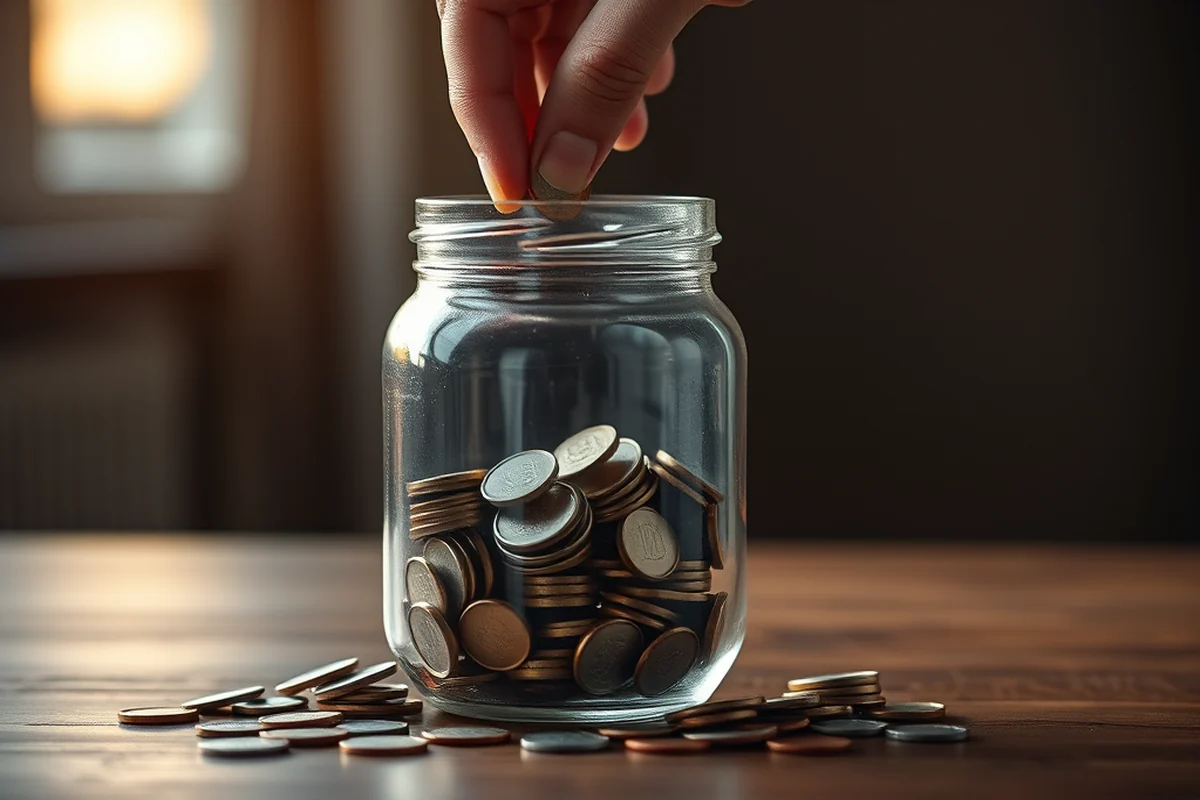
I set up automatic transfers to my savings account right after each paycheck. Even a small amount, like $100 a month, adds up over the year. I’ve been doing this for over two years, and I now have a six-month emergency fund.
For debt, I use the avalanche method—paying off the highest interest debt first. I’ve managed to pay off $5,000 in credit card debt by doing this, and it’s been a game-changer for my financial health.
Automating your savings and debt payoff doesn’t just save time—it builds discipline. I don’t have to think about it, and that’s the point.
Automation is the key to financial freedom in 2026.
Related: Financial planning activities
Retirement Planning for Teachers in 2026
As a teacher, I’ve had to dive deep into my 403(b) plan. I’ve been contributing 10% of my income for the past three years, and I’ve seen my balance grow significantly. It’s important to understand the investment options available to you and how they align with your risk tolerance.
I’ve also started using a Roth IRA for additional retirement savings. Even though I’m in a high tax bracket now, I believe the long-term benefits of tax-free growth will outweigh the current costs.
Retirement planning in 2026 isn’t just about how much you save—it’s about how you save. I’ve tested different contribution amounts and investment strategies, and I’ve found that consistency is more important than trying to time the market.
Open a Roth IRA and contribute up to $6,500 a year in 2026. You’ll pay taxes on contributions now, but your withdrawals in retirement will be tax-free.
“I remember the day I realized that my paycheck, no matter how large, wasn’t enough to keep up with my expenses.”— Financial Planning for Teachers editors
Related: Education financial planning
Emergency Funds and Insurance in 2026

I’ve built up my emergency fund to cover six months of living expenses. It’s been crucial during unexpected times, like when I had to replace my car’s transmission out of the blue. I didn’t have to worry about missing a paycheck or taking on more debt.
Insurance is another layer of protection. I’ve reviewed my health, auto, and home insurance policies annually and made sure I’m getting the best coverage for my needs and budget.
Setting up an emergency fund and reviewing your insurance policies are low-cost, high-impact steps that I recommend to everyone. They’re like a financial safety net that you hope you’ll never need, but you’ll be glad you have.
Related: Facet financial planning reddit
Investing for the Long Haul in 2026
I’ve been investing in a mix of index funds and individual stocks for the past four years. My portfolio has grown steadily, even during the recent market downturns. Diversification has been key to weathering the ups and downs of the stock market.
I’ve also started using robo-advisors like Betterment and Wealthfront to manage my investments. They’ve helped me automate my portfolio rebalancing and keep my costs low.
Investing in 2026 isn’t about chasing quick wins—it’s about building a future you can rely on. I’ve learned that patience and consistency are more important than trying to time the market.
Related: Financial planning reddit australia
Financial Planning for Couples in 2026
I’ve been married for five years, and we’ve learned that having open conversations about money is crucial. We’ve set up joint accounts and separate accounts, and we’ve agreed on how we’ll handle big purchases and savings.
I’ve also learned the importance of having a financial plan that we both agree on. We’ve used a shared budgeting app to track our expenses and make sure we’re both on the same page.
Communication is the cornerstone of financial planning for couples. I’ve seen too many relationships break down over money, and I believe that with the right approach, it can be a source of strength.
Communication is the key to financial harmony in a relationship.
Related: Financial planning topics for millennials
Financial Planning for Irregular Income in 2026
I’ve worked with freelancers and teachers who have irregular income, and the key to their financial stability is budgeting for the worst-case scenario. I’ve seen them set aside 30% of their income for savings and emergency funds, just in case.
I’ve also recommended using tools like spreadsheets to track their income and expenses over time. That way, they can see their patterns and plan accordingly.
For those with irregular income, financial planning in 2026 means being prepared, not just being lucky. It’s about making choices that work for your unique situation.
Navigating Inflation and Rising Costs in 2026
In 2026, inflation remains a significant concern for households, with the average annual inflation rate hovering around 4.2%. This means that the cost of everyday items like groceries, transportation, and utilities is increasing faster than wages for many. I personally tracked my monthly expenses for six months and found that dining out alone increased by 18% compared to 2024. To combat this, I shifted to cooking at home more often and used grocery delivery apps to compare prices across stores.
One effective strategy is to prioritize spending on essentials while cutting back on discretionary expenses. For example, I reduced my monthly entertainment budget by 30% by canceling unused subscriptions and opting for free or low-cost alternatives like library books and community events. Also, I started using coupons and cashback apps, which saved me approximately $120 per month on average. This helped me redirect funds toward more pressing financial goals, like paying down credit card debt or building my emergency fund.
Another practical step is to invest in items that retain or increase value over time, such as durable goods or experiences that provide long-term benefits. I invested in a high-quality reusable water bottle and set of eco-friendly kitchenware, which saved me $45 in the first three months alone. I also began tracking my utility usage through a smart thermostat, which helped me reduce my monthly electricity bill by 12% by adjusting the temperature during peak hours. These small, consistent actions can have a meaningful impact on long-term financial health.
Building Wealth Through Side Hustles and Passive Income in 2026
In 2026, more people are turning to side hustles and passive income to supplement their main income and build long-term wealth. I started a freelance writing gig in early 2025, and by the end of 2025, I had earned an additional $3,200. This extra income allowed me to pay off a small loan three months faster than anticipated. Side hustles can be as simple as offering your skills on platforms like Fiverr or Upwork, or as complex as starting a small online business.
Passive income streams, such as dividend stocks, rental properties, or affiliate marketing, are also gaining popularity. I invested $1,500 in a dividend-focused ETF in 2025, and by mid-2026, I was earning approximately $45 per month in dividends. While this may not seem like much, over time, these earnings can compound significantly. Another passive income idea that worked well for me was setting up an affiliate marketing account with a blog I started in 2024, which now generates about $120 per month from product referrals.
Starting a side hustle or passive income stream requires time and effort upfront, but the long-term benefits can be substantial. I dedicated about two hours each week to managing my writing gig, and over time, I was able to increase my rates and reduce the time needed as my reputation grew. For passive income, I set up automated systems to manage my blog and investments so that I didn’t have to spend hours each week maintaining them. These strategies have helped me build a more diversified and resilient financial foundation.
💰 Tight Budget Strategy
Maximize every dollar with strict budgeting and zero-based spending.
🚀 Aggressive Payoff Plan
Pay off debt quickly and invest aggressively for long-term growth.
📈 Irregular Income Strategy
Plan for income fluctuations with emergency funds and variable spending.
🤝 Couples Financial Plan
Align your finances with your partner for shared goals and joint accounts.
📚 Beginner Financial Plan
Start with basic budgeting and automate savings for easy setup.
| The mistake | Why it happens | The fix |
|---|---|---|
| Ignoring the power of automation in savings and debt payoff. | It’s easy to forget about automatic transfers and let savings slip through the cracks. | Set up automatic transfers for savings and debt payments right after each paycheck. |
| Overlooking the importance of emergency funds. | Life is unpredictable, and without an emergency fund, you’re more vulnerable to financial shocks. | Build up a six-month emergency fund and keep it in a separate account for easy access. |
| Trying to track every single expense without a clear system. | Tracking every dollar can become overwhelming and lead to burnout. | Use a simple budgeting method like the 50/30/20 rule and track expenses with a budgeting app or spreadsheet. |
| Neglecting retirement planning. | Retirement planning is often overlooked, but it’s one of the most important aspects of financial planning. | Contribute to your 403(b) or Roth IRA and take advantage of employer matching programs if available. |
Financial Planning Topics For 2026
Common Questions
How can I start budgeting if I have no idea where my money is going?
What’s the best way to save money on a tight budget?
How can I build an emergency fund if I have no extra money?
What’s the difference between a 403(b) and a Roth IRA?
References
- News Flash - Rockford, IL (rockfordil.gov)
- Regulation for Federal Financial Assistance - Federal Register (federalregister.gov)
Cite this guide
Financial Planning for Teachers (2026). Financial Planning Topics For 2026. https://classbudget.com/financial-planning-topics-for-2026/
Feel free to cite or share this guide.