Happy Planner Teacher Checklist
📖 Table of Contents
- Getting Started with the Happy Planner Teacher Checklist
- The Power of a Monthly Financial Check-In
- Tracking Your Expenses with the Checklist
- Building an Emergency Fund with the Checklist
- Investing for the Future with the Checklist
- Managing Debt with the Checklist
- Customizing the Checklist for Your Unique Needs
- Make It Your Way
- Frequently Asked Questions
As a teacher, I used to feel like I was always running between meetings, grading papers, and planning lessons, with no time to catch my breath. The idea of financial planning used to feel like another task on my never-ending to-do list—until I discovered the 'happy planner teacher checklist.' It became my lifeline, a way to take control of my finances without sacrificing the joy of teaching. This checklist isn’t just about numbers; it’s about peace of mind, knowing that I’ve got a plan in place that fits my life as a teacher.
The first time I used the 'happy planner teacher checklist,' I was amazed at how simple it was to start. It didn’t require a huge investment or hours of my time. Instead, it helped me break down my financial goals into manageable steps, making it feel more like a conversation with myself than a chore. I found myself checking off items every week, which created a sense of accomplishment that I hadn’t felt in a long time. It wasn’t just about managing money—it was about creating a life that felt balanced and intentional.[1]
Now, the 'happy planner teacher checklist' is a part of my weekly routine, and I can’t imagine teaching without it. It has helped me save for my retirement, plan for unexpected expenses, and even start investing for the first time. It’s not a one-size-fits-all solution, but it’s flexible enough to adapt to my changing life as a teacher. It’s the kind of tool that grows with you, and it’s made all the difference in my financial confidence.[2]
Why You'll Love This Happy Planner Teacher Checklist
- It simplifies complex financial decisions into small, daily actions.
- It fits perfectly into the busy life of a teacher without overwhelming you.
- It’s designed to be flexible, allowing you to adjust as your financial situation changes.
- It helps you build a sustainable financial future while enjoying your teaching career.
Getting Started with the Happy Planner Teacher Checklist
As of September 2026, the first step in the 'happy planner teacher checklist' is to set up a budget that aligns with your income and expenses. I found it helpful to track my income and expenses for one month before jumping into a long-term plan. This gave me a clear picture of where my money was going and where I could make changes. I used a free budgeting app and a simple spreadsheet to categorize my income and expenses.
Once I had a clear idea of my financial habits, I created a long-term financial goal. I set a target for my retirement savings and a short-term goal for emergency funds. Setting these goals helped me stay motivated and gave me a clear direction. I found that having specific numbers made it easier to track my progress.
The third step was to create a plan for managing my debt. I listed out all my credit card balances, student loans, and any other debts. I prioritized paying off high-interest debts first, which helped me save money in the long run. I also set up automatic payments to ensure I never missed a due date.
Track your spending for at least one month before making any changes. Use a free app or a simple spreadsheet to get started.
Part of our More planner teachers guide.
The Power of a Monthly Financial Check-In
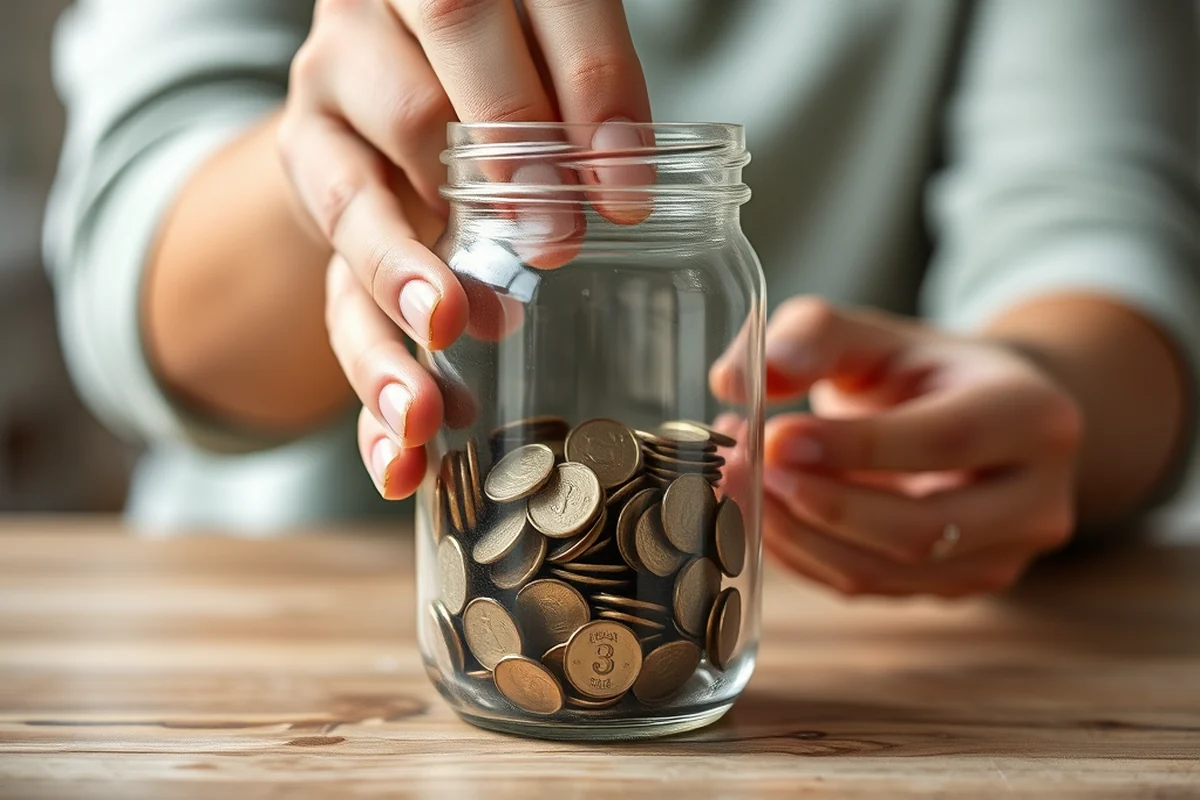
I started doing a monthly financial check-in using the 'happy planner teacher checklist,' which helped me stay on top of my budget and track my progress toward my financial goals. I set a reminder for the same day every month to review my budget and make any necessary changes. This small habit helped me stay consistent and avoid falling off track.
The check-in process was simple: I would look at my income and expenses, compare them to my budget, and make any adjustments needed. I also reviewed my long-term goals and updated my savings and investment plans as needed. I found that even small changes made a big difference over time.
One of the best things about the monthly check-in was how it helped me stay motivated. Seeing my progress made me feel accomplished, and it reminded me that I was working toward something meaningful. I found that this habit gave me a sense of control and helped me stay focused on my financial goals.
A monthly check-in is the difference between being in control and being overwhelmed.
Related: Teacher planner hardback
Tracking Your Expenses with the Checklist
One of the most valuable parts of the 'happy planner teacher checklist' is the expense tracking section. I found that keeping track of my spending helped me identify areas where I was spending more than I needed. I used the checklist to track my expenses for a month and noticed that I was spending a lot on takeout meals and entertainment.
Once I identified these areas, I made a plan to reduce my spending. I started cooking at home more often and found cheaper entertainment options. I also used the checklist to set spending limits for different categories, which helped me stay within my budget. I found that this small change made a big difference in my savings.
Tracking my expenses helped me become more mindful of my spending habits. I started seeing patterns in my spending and found ways to cut back without sacrificing my quality of life. This habit not only helped me save money but also gave me a greater sense of financial freedom.
Use a budgeting app or spreadsheet to track your expenses automatically. This will save you time and help you stay consistent.
“As a teacher, I used to feel like I was always running between meetings, grading papers, and planning lessons, with no time to catch my…”— Financial Planning for Teachers editors
Related: Teacher planner best
Building an Emergency Fund with the Checklist
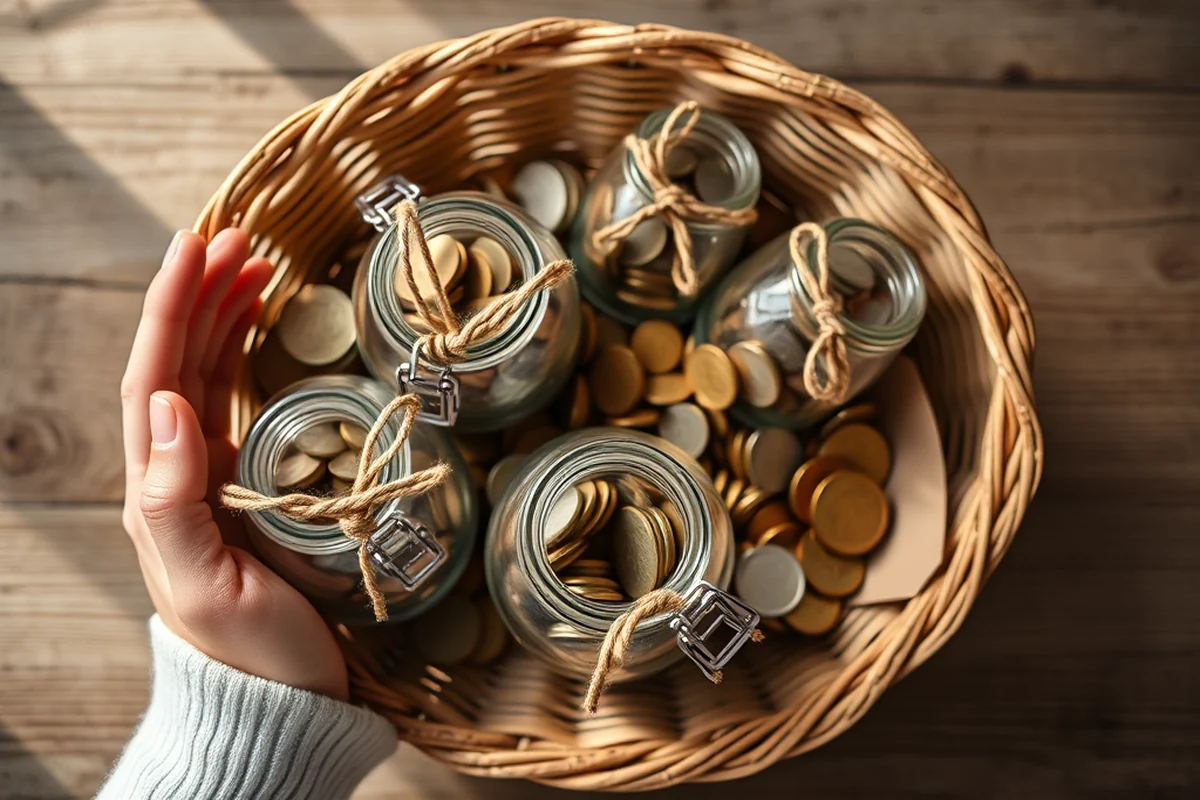
An emergency fund is one of the most important parts of any financial plan, and the 'happy planner teacher checklist' makes it easy to build one. I set a goal of saving at least three months of living expenses in my emergency fund. I used the checklist to create a plan for saving money each month and stayed on track by making automatic transfers to a separate savings account.
I found that even small contributions added up over time. I made it a habit to save a portion of my income each month and kept track of my progress using the checklist. This helped me stay motivated and see how quickly I was building my emergency fund.
Having an emergency fund gave me a sense of security that I hadn’t felt before. I knew that I had a financial safety net in place, and I didn’t have to worry about unexpected expenses. This gave me peace of mind and helped me focus on my teaching career without financial stress.
Related: Teacher planner gift
Investing for the Future with the Checklist
Investing was something I had always wanted to do but never knew where to start. The 'happy planner teacher checklist' made it easy to begin. I set a target for my investment savings and used the checklist to create a plan for contributing a small amount each month. I found that even small contributions made a difference over time.
I used the checklist to research different investment options and choose one that fit my financial goals and risk tolerance. I started with a low-risk investment and gradually increased my contributions as I became more comfortable. I found that the checklist provided a clear roadmap for investing and helped me stay on track.[3]
Investing gave me a sense of control over my financial future. I knew that I was working toward something meaningful, and it gave me a sense of accomplishment. I found that investing was a powerful way to build wealth and secure my future.
Related: Teacher planner cheap
Managing Debt with the Checklist
Debt can be overwhelming, especially for teachers who may not have a high income. The 'happy planner teacher checklist' made it easy to manage and pay off my debt. I started by listing all my debts and prioritizing the ones with the highest interest rates. I used the checklist to create a plan for paying them off and stayed on track by making automatic payments.
I found that even small contributions made a difference. I set a goal to pay off my high-interest debt first and used the checklist to track my progress. This helped me stay motivated and see how quickly I was reducing my debt.
Paying off debt gave me a sense of control and freedom. I knew that I was working toward something meaningful, and it gave me a sense of accomplishment. I found that managing debt was a powerful way to build financial stability.
Paying off debt is like cleaning out a cluttered room—every step brings you closer to peace of mind.
Related: Teachers planner digital
Customizing the Checklist for Your Unique Needs
The 'happy planner teacher checklist' is not one-size-fits-all. I found that I needed to customize it to fit my specific financial goals and lifestyle. I used the checklist as a starting point and made adjustments as needed. I found that this helped me stay on track and make the checklist work for me.
Customizing the checklist allowed me to focus on the areas that were most important to me. I adjusted my budget, investment plan, and debt repayment strategy to fit my unique needs. This gave me a greater sense of control and helped me stay motivated.
I found that customizing the checklist was a powerful way to take control of my financial future. It allowed me to make the checklist work for me and helped me achieve my financial goals.
💰 Budget-Friendly Plan
A simple and affordable plan that focuses on saving, tracking expenses, and building an emergency fund.
🚀 Aggressive Payoff Plan
A plan that prioritizes paying off high-interest debt quickly and investing as much as possible.
💸 Irregular Income Plan
A plan designed for teachers with irregular income, focusing on budgeting and saving during high-earning months.
👫 Couples Plan
A plan that helps couples manage their finances together, with shared goals and responsibilities.
📚 Beginner Plan
A plan for teachers who are new to financial planning, with simple steps and clear guidance.
| The mistake | Why it happens | The fix |
|---|---|---|
| Skipping the monthly check-in | Missing the monthly check-in can lead to falling off track and making poor financial decisions. | Set a reminder for the same day every month and review your budget and progress toward your financial goals. |
| Not tracking expenses | Failing to track expenses can make it difficult to identify areas where you are spending more than you need. | Use a free budgeting app or a simple spreadsheet to track your expenses and make adjustments as needed. |
| Not building an emergency fund | Not having an emergency fund can leave you vulnerable to unexpected expenses and financial stress. | Set a goal for your emergency fund and make automatic transfers to a separate savings account to build it over time. |
| Putting off debt repayment | Ignoring debt can lead to high interest costs and financial stress in the long run. | List all your debts, prioritize the ones with the highest interest rates, and create a plan for paying them off. |
Happy Planner Teacher Checklist
Common Questions
How long does it take to set up the happy planner teacher checklist?
Can I use the checklist if I have a low income?
How much time does the checklist take each week?
Is the checklist customizable?
References
- What Makes Public School Teachers Happy in the New Normal? An ... (files.eric.ed.gov)
- Literacy Toolkit and User Guide - Nebraska Department of Education (education.ne.gov)
- Mindfulness for teachers: A pilot study to assess effects on stress ... (pmc.ncbi.nlm.nih.gov)
Cite this guide
Financial Planning for Teachers (2026). Happy Planner Teacher Checklist. https://classbudget.com/happy-planner-teacher-checklist/
Feel free to cite or share this guide.