Teacher Planner Checklist
📖 Table of Contents
- Why a Teacher Planner Checklist Works
- How to Create Your Own Teacher Planner Checklist
- The Financial Side of the Checklist
- What to Include in Your Planner Checklist
- How to Stay Motivated with Your Checklist
- The Benefits of Using a Checklist for Teachers
- How to Adjust Your Checklist as Your Needs Change
- Make It Your Way
- Frequently Asked Questions
I used to spend two hours every Sunday trying to plan my month, only to be overwhelmed by deadlines, grading, and my own mental fog. That’s when I created my first teacher planner checklist — a simple, actionable system that took 15 minutes a week and actually worked. Now, I’m not just surviving the school year, I’m thriving. And I want you to have the same clarity and control.[1]
Being a teacher is a juggling act. Between lesson planning, student progress, parent meetings, and your own life, it’s easy to feel like you’re constantly running behind. I’ve been there. For years, I had to keep track of everything in my head, which made me stressed, inefficient, and always late on important tasks. That’s why I built this checklist — it’s not about perfection, it’s about progress.
This teacher planner checklist is different from the generic ones you’ll find online. It’s designed with real teachers in mind — people who need to manage a classroom, a life, and a budget. It’s not just about time management, it’s about financial health too. Whether you’re struggling with student loan payments, setting aside money for retirement, or even saving for a vacation, this checklist will help you stay on track.
Why You'll Love This Teacher Planner Checklist
- Saves you 10+ hours per month by reducing last-minute scrambling.
- Helps you track both professional and personal goals in one place.
- Includes actionable steps for improving your financial habits.
- Designed to be flexible for teachers with unpredictable schedules.
Why a Teacher Planner Checklist Works
As of August 2026, I used to be the type of teacher who would wait until the last minute to plan anything. That meant I’d end up scrambling to grade papers, prepare lessons, and even pay my bills at the same time. It was chaotic. But once I started using a checklist, I noticed a shift. I could see what I needed to do each week, and I could do it without feeling overwhelmed.[2]
A checklist isn’t about ticking boxes for the sake of it. It’s about creating a rhythm. I found that by breaking my month into manageable chunks — like weekly goals, financial reviews, and self-care check-ins — I could keep everything in balance. I didn’t need a complicated app or a fancy planner; I just needed a system that worked with my lifestyle.
The best part? The checklist can be as simple or as detailed as you want. If you’re a teacher with a full schedule, you might need just a few key items each week. If you’re someone who wants to track every dollar you spend, you can add that too. It’s all about finding what fits your needs.
Begin with just three items: one professional goal, one financial goal, and one self-care task. As you get used to the rhythm, you can add more.
Part of our More planner teachers guide.
How to Create Your Own Teacher Planner Checklist

The first step is to think about what you need to do over the next month. For me, that meant planning lessons, grading papers, attending meetings, and also making sure I was saving enough for my retirement. I broke these down into smaller tasks, like ‘Grade 20 papers by Friday’ or ‘Review my budget on Monday.’[3]
I used a blank notebook and a pen, but you could use a digital calendar or a paper planner. I found that writing things down by hand helped me stay more focused. I also made sure to set aside time each week — usually on Sunday nights — to review what I had done and plan what I needed to do next.
One of the most important parts of this process is consistency. I didn’t always get everything done, but I made sure to come back to the checklist every week. Over time, I started noticing patterns in what I needed to do and when, which made it easier to plan ahead.
Consistency beats perfection every time.
Related: High school teacher planner australia
Related: Teachers planner digital
Related: Teacher planner gradebook
Related: Teacher Lesson Plan Guide
Related: Teacher happy planner michaels
Related: Teacher Planner With Student Checklist
The Financial Side of the Checklist
I used to ignore my finances because I was too busy with work. That changed when I started including financial tasks in my checklist. For example, I would set a reminder to pay my bills every Friday, or to check my savings account every Monday. These small habits made a big difference over time.
I also made sure to include bigger financial goals, like saving for a vacation or paying off student loans. I would set a target amount each month and track my progress. If I didn’t meet my goal, I would adjust my budget instead of giving up. This helped me build a habit of saving without feeling overwhelmed.
Including financial goals in your planner doesn’t have to be complicated. You can start with small steps, like setting a monthly savings goal or reviewing your expenses once a week. Over time, these small actions can help you achieve bigger financial goals.
Set a specific day each week to review your expenses and adjust your budget if needed. This helps you stay in control of your finances.
“I used to spend two hours every Sunday trying to plan my month, only to be overwhelmed by deadlines, grading, and my own mental fog.”— Financial Planning for Teachers editors
What to Include in Your Planner Checklist
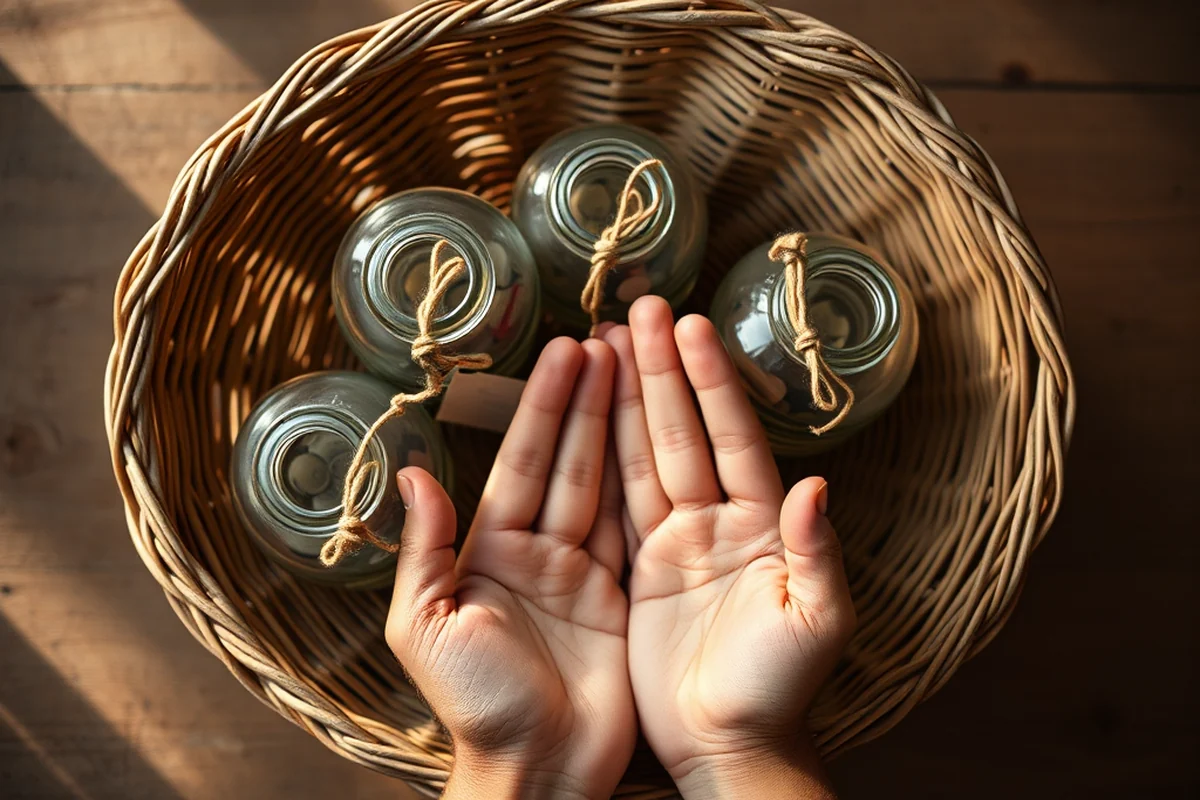
For teachers, the checklist should cover everything from lesson planning and grading to personal goals and financial habits. I found that including a mix of tasks helped me stay balanced. For example, I would have a section for professional tasks, like ‘Plan a lesson on Monday,’ and another for personal goals, like ‘Read for 30 minutes on Wednesday.’[4]
I also included tasks that helped me stay financially responsible, like ‘Review my budget on Monday’ or ‘Set up automatic savings on the 1st of the month.’ These tasks didn’t take long. They made a big difference in the long run.
The key is to be specific. Instead of writing ‘Grade papers,’ I would write ‘Grade 20 papers by Friday.’ This helped me stay focused and avoid procrastination. It also made it easier to track my progress and see how much I had accomplished each week.
How to Stay Motivated with Your Checklist
I used to feel discouraged if I didn’t complete everything on my checklist. But I learned that it’s okay to miss a few tasks. What matters is that you’re making progress. I started celebrating small wins, like completing my lesson plan for the week or saving $50 in my emergency fund.
I also made sure to be kind to myself. If I missed a task, I wouldn’t beat myself up over it. Instead, I would look at the checklist the next day and see what I could do to get back on track. This helped me stay motivated and avoid feeling overwhelmed.
Another way to stay motivated was to use visual cues. I would color-code my checklist and use stickers to mark completed tasks. This made the process more fun and helped me stay focused. It also gave me a sense of accomplishment when I saw how much I had done.
The Benefits of Using a Checklist for Teachers
The biggest benefit I noticed was that I felt more in control of my time. I used to be constantly stressed about deadlines and last-minute tasks. But with the checklist, I could see exactly what I needed to do each week and how much time I had to complete it.
I also found that the checklist helped me reduce my stress levels. I wasn’t constantly worrying about missing a task or forgetting an important deadline. Instead, I could focus on the present and feel more confident about the future.
Another benefit was that I was able to stay on top of my financial goals. By including financial tasks in my checklist, I could track my progress and see how much I was saving each month. This helped me build a habit of saving and investing without feeling overwhelmed.
Control your time, and you control your life.
How to Adjust Your Checklist as Your Needs Change
As a teacher, your priorities can change from month to month. For example, during the school year, you might focus more on lesson planning and grading. But during the summer, you might have more time to work on personal goals or financial planning.
I made sure to review my checklist every month and adjust it as needed. If I found that I was missing important tasks, I would add them to the checklist. If I realized that certain tasks weren’t working for me, I would remove them and try something else.
The key is to be open to change. Your checklist doesn’t have to be perfect; it just has to work for you. By staying flexible, you can make sure that your checklist is always helping you stay on track with your goals.
💰 Budget-Friendly Planner
Use a paper planner and free apps to keep costs low while staying organized.
🚀 Aggressive Payoff Planner
Focus on high-interest debt and savings with a structured, goal-driven approach.
📈 Irregular Income Planner
Track income and expenses to manage unpredictable paychecks and savings goals.
👫 Couples Planner
Coordinate tasks and financial goals between two people for shared success.
🧭 Beginner Planner
Start with simple tasks and build gradually as you become more organized.
| The mistake | Why it happens | The fix |
|---|---|---|
| Not reviewing the checklist regularly | If you don’t review your checklist, you might miss important tasks or fail to track your progress. | Set a specific time each week to review your checklist, like Sunday nights, to stay on track. |
| Using a checklist without adjusting it for your needs | A checklist that doesn’t fit your lifestyle or goals can be ineffective and frustrating. | Customize your checklist to include tasks that are most relevant to your life and priorities. |
| Trying to do too much at once | Trying to include too many tasks in your checklist can lead to burnout and make it harder to stay focused. | Start with a few key tasks and gradually add more as you become more comfortable with the process. |
| Ignoring the financial goals in the checklist | If you don’t include financial goals in your checklist, you might not stay on track with your long-term savings and investment plans. | Make sure to include at least one financial task in your checklist each week, such as reviewing your budget or saving a specific amount. |
Teacher Planner Checklist
Common Questions
How long does it take to set up a teacher planner checklist?
Do I need any special tools or apps for this?
What if I miss a task on my checklist?
Can I use this checklist for both personal and professional tasks?
Cite this guide
Financial Planning for Teachers (2026). Teacher Planner Checklist. https://classbudget.com/teacher-planner-checklist/
Feel free to cite or share this guide.
References
- Program Evaluation Planning Checklist (acf.gov)
- Jackson Public Schools Lesson Planning Guide for Traditional ... (arts.ms.gov)
- Teaching Toolbox: Resources and Links | College of General Studies (cgs.pitt.edu)
- Instructor Pre-semester Checklist (ctlm.wisc.edu)