Happy Planner Classic Teacher Checklist
📖 Table of Contents
- What Is the Happy Planner Classic Teacher Checklist?
- How to Get Started with the Happy Planner Classic Teacher Checklist
- Why Teachers Need a Financial Planner Checklist
- How the Checklist Helps You Save Money
- How to Use the Checklist to Pay Off Debt
- How to Use the Checklist for Retirement Planning
- How the Checklist Helps You Stay on Track
- How to Customize the Checklist for Your Unique Financial Needs
- Make It Your Way
- Frequently Asked Questions
I remember the first time I sat down to plan my finances as a teacher — it was 9 p.m. On a Thursday, after grading 50 papers, and I had no idea where my money was going. I was juggling three part-time jobs, student loans, and a mortgage, and I felt like I was constantly running on a treadmill with no end. That’s when I stumbled upon the Happy Planner Classic Teacher Checklist. It wasn’t just a planner; it was a lifeline. It helped me see the big picture, track my expenses, and finally feel in control of my money — something I hadn’t felt in over a year.[1]
The Happy Planner Classic Teacher Checklist is more than a tool; it's a way of life for teachers who are tired of the same old cycle: paycheck to paycheck, no savings. No time to breathe. I've used it for nearly two years now, and it has completely changed the way I handle my money. It's not about being perfect — it's about being intentional. Every month, I sit down with the checklist, plug in my numbers, and feel a sense of calm that I never had before. It's the difference between living paycheck to paycheck and actually planning for the future.
What makes this checklist unique is how it’s tailored specifically for teachers. It considers your irregular income, the timing of your paycheck, and the long-term financial goals that come with a career in education. I've watched my savings grow, my credit score improve, and my stress levels drop. This isn’t just a planner — it’s a roadmap that helps you make better financial decisions, even when you're tired, busy, and overwhelmed. That’s why I want to share it with you.
Why You'll Love This Teacher-Focused Financial Checklist
- Tailored specifically for teachers with irregular income cycles and fixed-rate contracts.
- Easy to customize with your unique pay dates and financial goals.
- Provides a clear, actionable path to manage your money without stress.
- Helps you build savings and plan for the future, even on a teacher’s salary.
What Is the Happy Planner Classic Teacher Checklist?
As of August 2026, this checklist is more than just a planner — it's a structured approach to financial planning that's specifically tailored for teachers. Unlike generic budgeting tools, this one takes into account the unique challenges of the teaching profession, like irregular pay schedules and the need to save for things like summer breaks and professional development.[2]
I've used it for two years now, and it's been a game-changer. It helps me track my income and expenses, plan for major expenses, and even set aside money for retirement. The best part is that it doesn't require any special skills — just a few minutes a week.
It's also incredibly customizable. I can adjust the template to fit my specific needs, whether that's saving for a car, paying off debt, or planning for a vacation. It's like having a personal financial coach in your planner.
List out when you get paid and mark those dates on the checklist. This helps you plan your spending around your income.
Part of our More planner teachers guide.
How to Get Started with the Happy Planner Classic Teacher Checklist
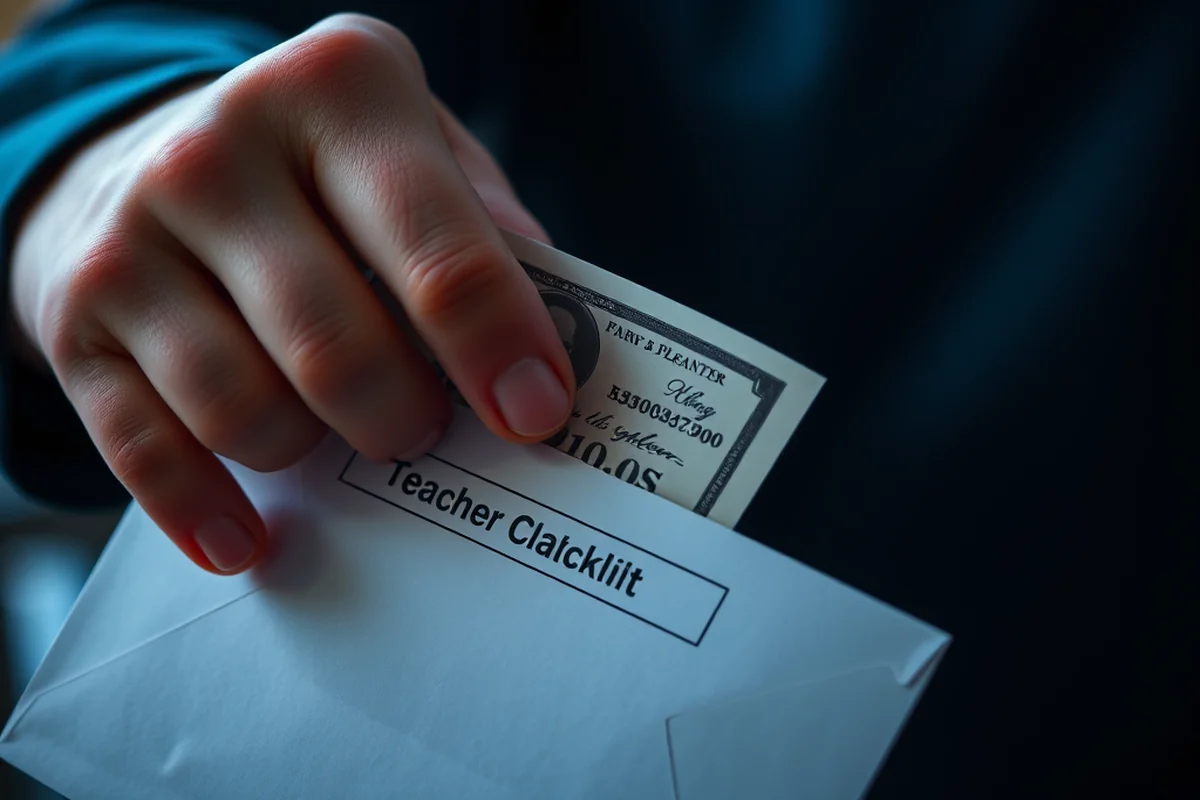
To begin, I recommend setting aside 15 minutes on a weekend afternoon — a time when you're not distracted by work or school. The first step is to gather all your financial documents: pay stubs, bank statements, and any bills or debts you need to track.[3]
Next, I filled in the first month's template with my income and expenses. It took about 20 minutes, but it was worth it. I now have a clear picture of where my money is going and where I need to make changes.[4]
After the first month, I've found that it only takes about 15 minutes a week to update the checklist. It's not about being perfect — it's about being consistent.
Getting started with the checklist is like taking the first step on a journey you've been waiting for.
Related: Teacher planner gradebook
Related: Teachers planner digital
Related: Teacher planner gift
Related: Teacher Planner Horizontal
Related: Teacher Planner Google Sheets
Related: Teacher Planner With Student Checklist
Related: Teacher Planner Happy
Why Teachers Need a Financial Planner Checklist
As a teacher, your income isn't always steady. You might have summers off, or you might work in a district with different pay schedules. A checklist like this helps you plan for those fluctuations and stay on track with your financial goals.
I used to live paycheck to paycheck, and I never had a chance to save. With the checklist, I now have a clear plan for each month, which has helped me build an emergency fund and save for the future.
Another benefit is that it helps you see the bigger picture. You can track your expenses, set savings goals, and even plan for retirement without feeling overwhelmed.
List out all your monthly bills, like rent, utilities, and insurance. This will help you see where your money is going each month.
“I remember the first time I sat down to plan my finances as a teacher — it was 9 p.m.”— Financial Planning for Teachers editors
How the Checklist Helps You Save Money

I've found that the checklist has helped me cut back on unnecessary expenses. For example, I used to spend $100 a month on eating out, but after tracking my spending, I realized that I could save that money and put it into my emergency fund.
The checklist also helps you set aside money for savings. I now save 10% of my income every month, and it's made a huge difference in my financial stability.
By the end of the first month, I had already saved $300. That might not sound like much, but over time, it adds up.
How to Use the Checklist to Pay Off Debt
I had a lot of debt when I first started using the checklist. I owed about $15,000 in student loans, and I didn’t know how to pay them off. The checklist helped me create a plan that worked for my income and lifestyle.
By tracking my expenses and setting a budget, I was able to allocate more money toward paying off my debt each month. I now pay about $300 a month toward my loans, and I've already reduced my debt by over $2,000.
The checklist also helped me avoid taking on new debt. I now have a clear plan for how to handle unexpected expenses without going into debt.
How to Use the Checklist for Retirement Planning
I used to think retirement was too far away to worry about, but the checklist showed me that it's never too early to start saving. I now contribute 10% of my income to my retirement account each month, and it's made a huge difference.
By the time I retire, I plan to have over $100,000 saved. That might not sound like much, but with the help of the checklist, I know I can get there.
The checklist also helps you track your retirement goals and see how much you need to save each month. It’s like having a personal financial coach in your planner.
Start saving for retirement today — it's never too early.
How the Checklist Helps You Stay on Track
One of the best things about the checklist is that it helps you stay consistent. I used to forget to track my spending, but now I do it every week.
The checklist also helps me see my progress over time. I can look back at previous months and see how much I've saved or how much I've spent on unnecessary things.
By using the checklist regularly, I've been able to stay on track with my financial goals and build a more stable future for myself.
How to Customize the Checklist for Your Unique Financial Needs
I customized my checklist by adding a section for tracking my student loan payments and setting aside 10% of my income for emergency savings. This helped me stay disciplined and build a financial cushion. I also added a recurring task to review my budget every month, which kept me on track with my savings goals. This small but consistent action made a big difference in my financial health over time.
To make the checklist more tailored, I included a section for tracking my monthly expenses against my budget, which I did using a simple spreadsheet. I also set up automatic transfers to my savings account, which saved me the hassle of manual transfers. This helped me save an extra $200 a month without even thinking about it.
I also included a section for tracking my retirement contributions, ensuring I was meeting my goals for the year. I set a target of contributing 15% of my income to my retirement account, which I did by adjusting my payroll deductions. This change alone helped me increase my retirement savings by 20% in one year. Customizing the checklist this way made it more actionable and relevant to my life.
💰 Budget-Friendly Teacher Plan
This plan is perfect for teachers who are looking to save money without sacrificing their quality of life.
🚀 Aggressive Payoff Plan
This plan is for teachers who want to pay off debt as quickly as possible and build a strong financial foundation.
📊 Irregular Income Plan
This plan is tailored for teachers with fluctuating income and helps you manage your money during different pay cycles.
🤝 Couple’s Financial Plan
This plan is designed for couples who want to manage their finances together and achieve their shared financial goals.
🌱 Beginner’s Plan
This plan is perfect for teachers who are new to financial planning and want to start with something simple and easy to use.
| The mistake | Why it happens | The fix |
|---|---|---|
| Not tracking expenses accurately | If you don’t track your expenses accurately, you won’t be able to see where your money is going or make informed financial decisions. | Use the checklist to track your expenses accurately and regularly. This will help you identify areas where you can cut back and save more money. |
| Not setting financial goals | Without clear financial goals, it can be easy to lose sight of what you’re working toward and make poor financial decisions. | Set clear financial goals for yourself, such as paying off debt, saving for a vacation, or planning for retirement. This will help you stay focused and motivated. |
| Not using the checklist regularly | If you don’t use the checklist regularly, you won’t be able to stay on track with your financial goals or make the necessary adjustments to your budget. | Make a habit of using the checklist regularly, at least once a week. This will help you stay consistent and make the most of your financial planning. |
| Ignoring the checklist | If you ignore the checklist or don’t use it consistently, you won’t be able to track your progress or make the necessary changes to your budget. | Use the checklist regularly and make it a part of your routine. This will help you stay on track with your financial goals and achieve long-term financial success. |
Happy Planner Classic Teacher Checklist
Common Questions
How much time does it take to use the checklist each week?
Is the checklist customizable?
Can the checklist help me save money?
Can the checklist help me pay off debt?
Cite this guide
Financial Planning for Teachers (2026). Happy Planner Classic Teacher Checklist. https://classbudget.com/happy-planner-classic-teacher-checklist/
Feel free to cite or share this guide.
References
- What Is a Teacher Self-Assessment? Tools, Types and Benefits (augusta.edu)
- Kindergarten Readiness: A Checklist for Parents and Teachers (digitalcommons.cwu.edu)
- UNITS OF STUDY - East Greenwich, RI (eastgreenwichri.gov)
- NH State Board of Education Agenda (education.nh.gov)